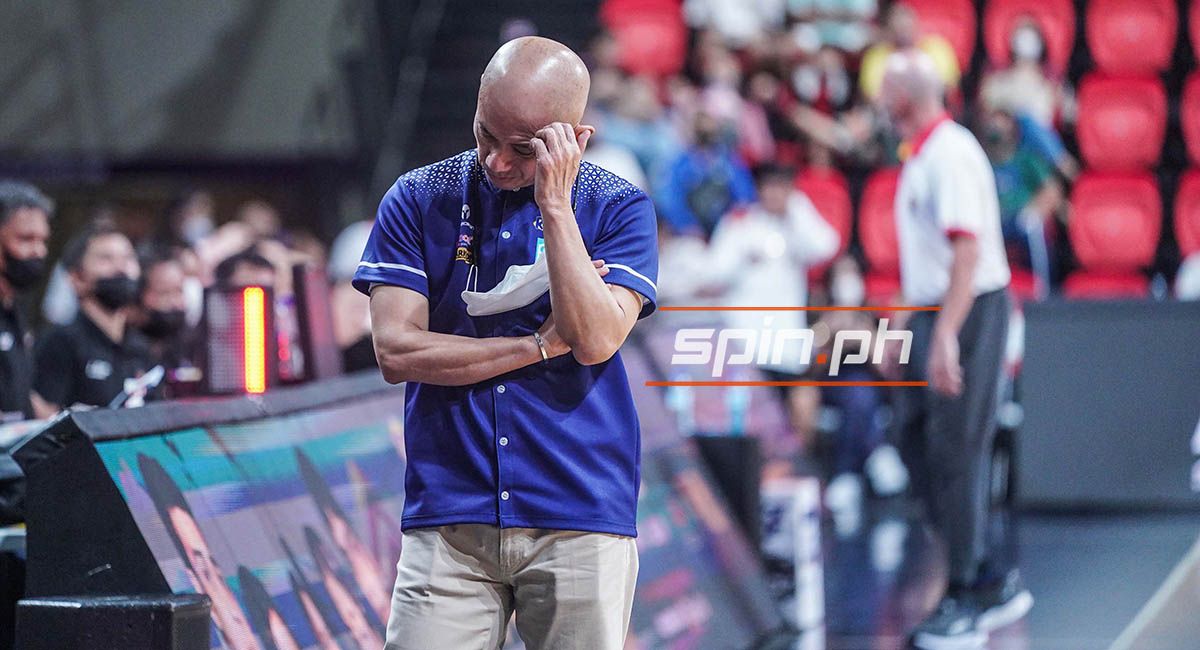
RAIN or Shine lost most of its games, but came home with a lot of lessons from the 42nd William Jones Cup.
Elasto Painters coach Yeng Guiao rattled off his realizations when he graced SPIN POV on Tuesday, saying the team's Jones Cup struggles are an indication of the country’s dwindling place in the continent – and other nations’ development.
Yeng Guiao on realizations after ROS' Jones Cup campaign
“Masakit mang aminin, pero meron na tayong ganung factor na medyo iwan tayo sa Asia,” the outspoken coach said days after his team finished the Taiwan invitational tournament seventh out of nine teams with just two wins in eight games.
Guiao saw the modern style of play in all the national teams they faced as well as in Korean Basketball League champion Anyang KGC and top NCAA US Division I school UC Irvine, which outclassed the E-Painters by 54 points to complete an undefeated championship run.
“Kahit yung college basketball sa US, European style na: ikot ng bola, pabilisan, three-point shooting, yung mga malalaki nila, hindi mo pwede iwan. Wala ng isolation. Puro ball movement na lang,” he said.
“Ang bilis ng progress ng basketball sa kanila,” Guiao added, agreeing that the Samahang Basketbol ng Pilipinas should take note of the widening gap. “Syempre. Worried na worried ako dahil iwan na iwan na tayo.”
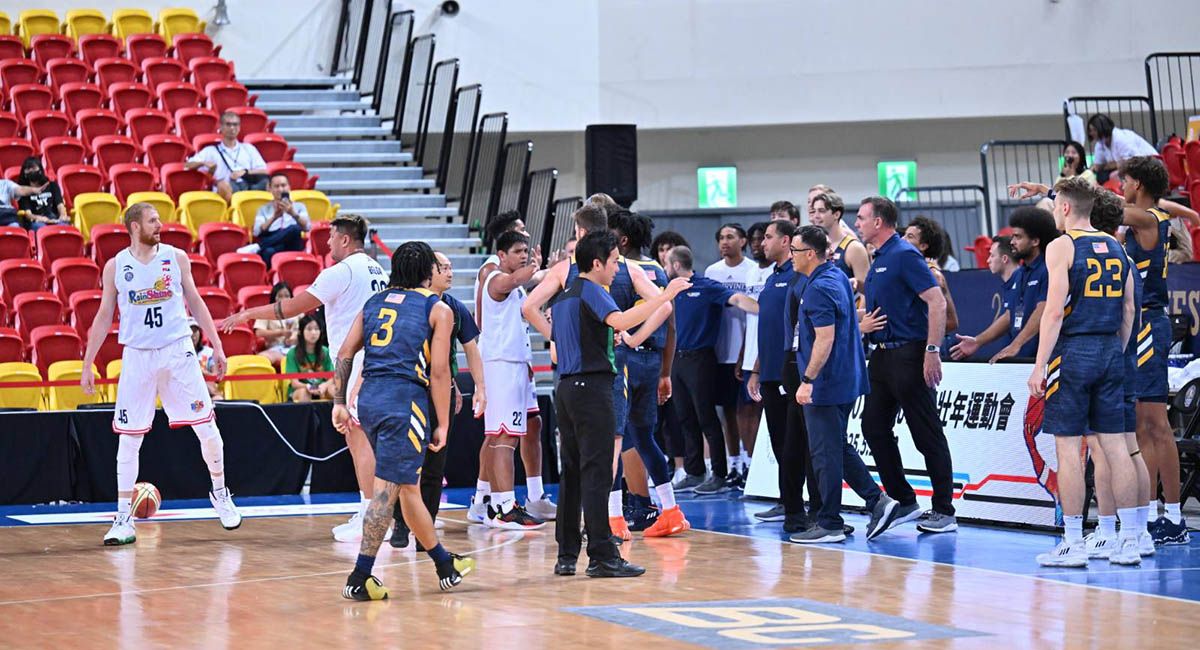
Rain or Shine also lost to Anyang by 10 points despite the Korean champion missing former NBA big man Omari Spellman and Gilas Pilipinas pool member Rhenz Abando.
ROS likewise fell to the two Chinese Taipei national teams and that of Qatar and United Arab Emirates, while getting their two wins against Iran’s Team B and Japan’s Under-22 team.
“Sabihin mo wala si Spellman (sa Anyang). Import sa import lang naman yun eh. Pwede ka rin naman kumuha ng ganun kagaling na import eh. Pero sabihin mong sa local sa local na lang, advance pa rin yung mga local professional team ng Korea,” Guiao said.
“Siguro kahit Japan. So kailangan na talaga tayong mag-expand. Kailangan maging mas open sa mga half-bloods. Kasi sa kanila, uso na rin eh, yung mga kalahating Taiwanese, kalahating Korean, kalahating Hapon na naglalaro sa kanila – na tayo nagsimula.”
“Palagay ko, open borders na talaga yung basketball eh. Kung meron dugong Pilipino, talagang Pilipino na rin dapat ang turing natin.”
Asked what needs to change in the Philippine basketball landscape, Guiao said it should start in the grassroots level – not just for players, but also for coaches.
“We need to train coaches. Parang nakakalimutan natin yung training ng coaches, eh hindi ka makaka-produce ng magaling na players or athletes kung yung coaches natin hindi upgraded yung skills nila. Kasi ang dami na rin from the coaching standpoint, ang dami na ring nabago,” Guiao said.
“Marami ng concepts sa youth basketball, ginagamit na sa ibang bansa, pero tayo, traditional pa rin yung pagtuturo natin ng basketball sa mga bata, na hindi na ganun ang pagtuturo. Ang pagtuturo ng basketball sa bata ngayon, hindi lang skills. Pati yung aspect ng decision-making, yung technology ng conditioning, nag-iba na eh.”
Guiao, a seven-time PBA champion coach, also admitted he, himself, needs to adapt to the times.
“Hindi pwedeng hindi, kasi yung alam ko nung nag-umpisa ako, kung yun ang ia-apply ko, hindi na ako mananalo,” the 64-year-old mentor said, mentioning modern terms like “zero-seconds basketball.” “Hindi na natin alam yung mga terminong ganyan.”
Basically, the modern style is faster-paced predicated on moving the ball around.
“Natuto tayo yung mga isolation moves, yung naluma na yung bola sa kamay ng player tapos nakatayo lang yung mga kakampi niya. Hindi na ganun ang basketball,” Guiao said.
Eye-opener in Chinese-Taipei
Chinese Taipei, the host nation, underlined its advanced grassroots development during one Rain or Shine practice session where the E-Painters used one side of the court, while the other had 8- to 10-year-old local kids training.
“Pag nakita mo, parang kakabahan ka talaga na parang napakalalim ng programa nila sa basketball,” Guiao admitted.
Taiwan now also has more than one professional league.
Guiao said welcoming expansion teams in the PBA will help rejuvenate our program.
“Ang PBA na lang ang 12 teams. Yung Taiwan, Korea, Japan, ang dami nilang teams, varieties, ang daming putahe ng klase ng basketball ang makikita mo.
“Siguro magdagdang ng team, at least three teams,” he added. “Para maiba yung landscape, para maiba ang istura, para maiba yung mga coaches. Kasama na din yun. Madagdagan yung mga coaches na merong ibang alam.”
Guiao also suggested the PBA to somehow streamline its rules comparable to Fiba rules.
“Pag dating mo dun (sa international tournaments), hindi mo alam yung ikikilos mo dahil hindi mo alam ang itatawag ng referee. Sa PBA, meron na tayong idea kung ano ang tatawaging foul o hindi. Pag dumayo ka, yung referee na Fiba, malaking pagbabago,” he said.
“Nung nasa national team pa ako, sinasabi ko na yan. Ilapit natin ang rules ng PBA sa Fiba rules. Hindi naman natin kailangan eksaktong gayahin. Ilapit lang natin para pag tayo lumalabas, hindi tayo masyado nahihirapan,” he added.
Guiao said the PBA should also strive to update its business model for the teams that spend hundreds of millions of pesos per year to finally generate incomes after almost five decades of existence.
“Pano mo pakikitain yung teams? Kasi ang kalaban mo, pag lumipat ng Japan ang player na Pinoy na magaling na pinapanood ng mga Pinoy, ang kalaban mo talaga yung resources, yung logistics na hindi natin maibigay.”
“Para asenso lahat,” he added. “Kung ang mga PBA teams, with a new business model, ay hindi lang sila puro palabas ng pera at kumikita din sila.”
Get more of the latest sports news & updates on SPIN.ph
NOTICE ON UNAUTHORIZED AND UNLAWFUL USE, PUBLICATION, AND/OR DISSEMINATION OF SPIN.PH CONTENT: Please be notified that any unauthorized and unlawful use, publication, and/or dissemination of Spin.ph’s content and/or materials is a direct violation of its legal and exclusive rights to the same, and shall be subject to appropriate legal action/s.
