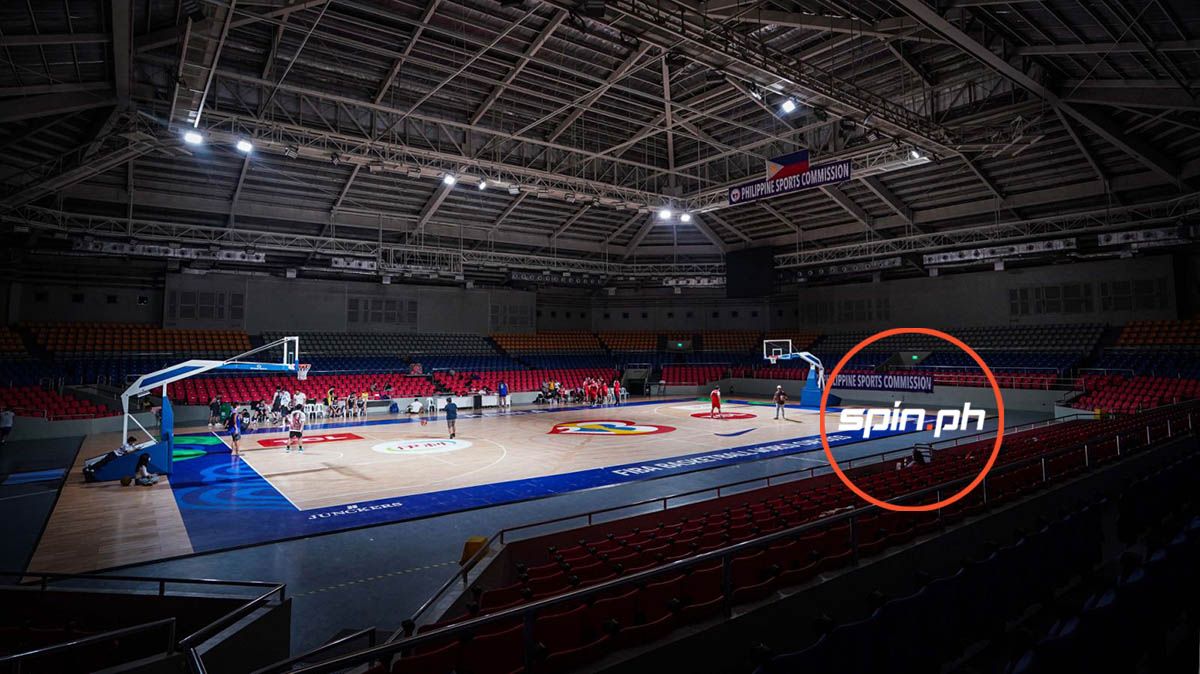
IT'S not yet clear why the PBA is having some of its games played at the Rizal Memorial Coliseum and the Ninoy Aquino Stadium in Malate.
Is it a plan to reach out to the masses, because the venues are located in the heart of Manila? Economics, because it's cheaper to rent those venues? Or simply just a need for a change of scenery after having played all these years at Smart Araneta Coliseum, Mall of Asia Arena, Philsports Arena and occasionally, at the Philippine Arena.
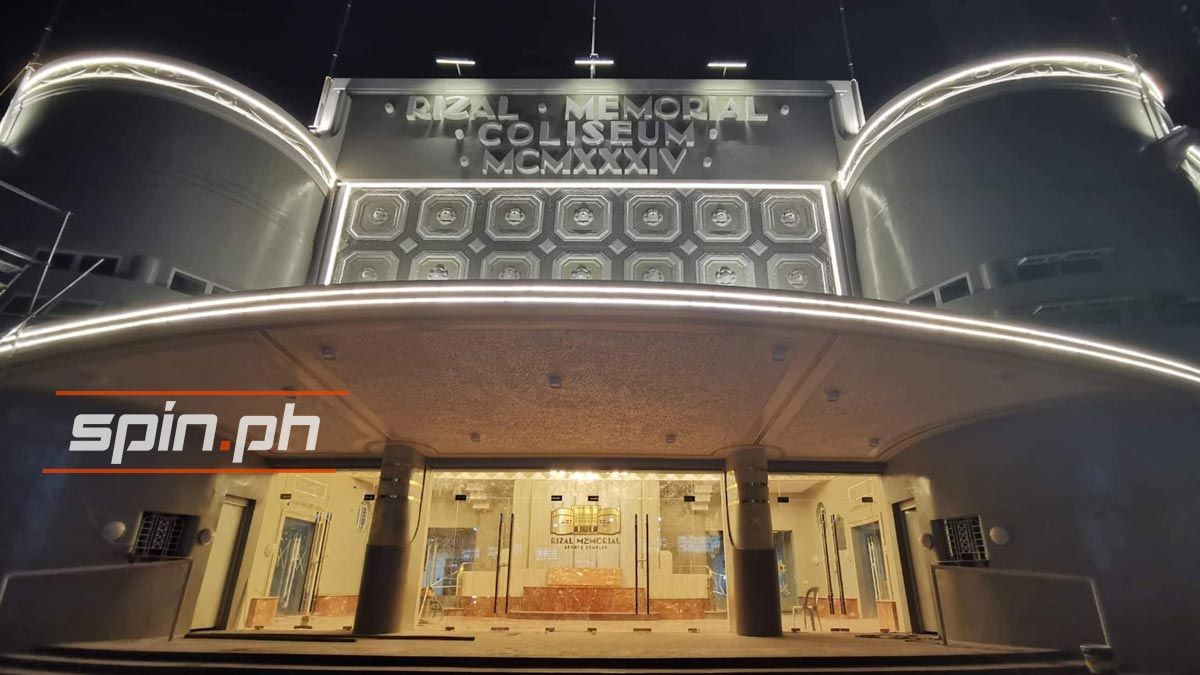
To kick off the Malate series, a PBA doubleheader will pit Blackwater against Terrafirma at 3 p.m., and Converge taking on Magnolia at 6:15 p.m on Saturday at the 90-year-old Rizal Memorial Coiiseum.
READ PBA to hold games at Rizal Memorial Coliseum for first time in decades
Some may think holding games at Ninoy Aquino and Rizal may be seen as a sign that the PBA is having financial problems. Indeed, rentals at Rizal and Ninoy are far cheaper than other Metro arenas which also host concerts featuring international stars.
And to be fair, there’s merit to that.
When Asia's pioneering play-for-pay league’s main venues have been as big as Smart Araneta Coliseum and SM Mall of Asia Arena, anywhere smaller than that may be seen as a step back.
But isn’t the chatter always been that the PBA is struggling? That if not for Ginebra and Finals games, fans won’t pack the rafters like they used to back in the day?
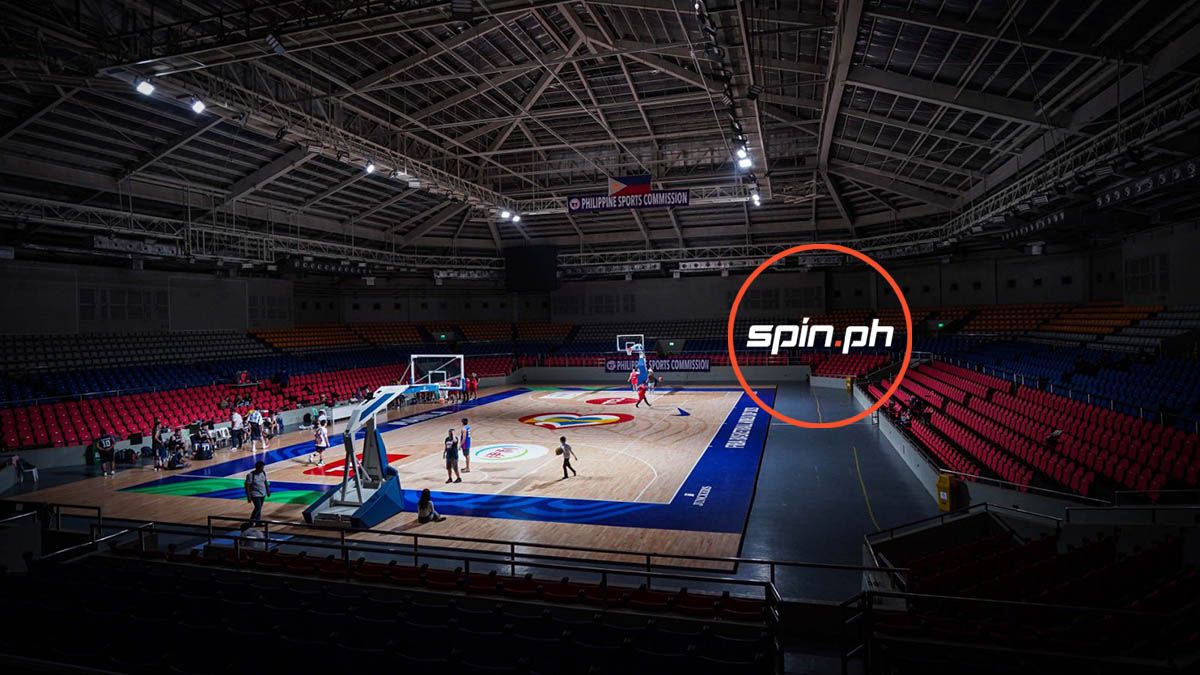
One, however, has to consider some variables such as the accessibility of the games on television and online, the saturation of the basketball product in the capital, and the ever horrendous Metro Manila traffic and it’s no surprise that the PBA has struggled filling up those venues.
But it’s not just a PBA problem.
Even top collegiate leagues like the UAAP or even the Premier Volleyball League (PVL) have faced similar issues especially in playdates where non-glamour teams are suiting up.
Now, should fans be alarmed that the PBA is holding games in venues like Rizal Memorial and Ninoy Aquino Stadium?
Well, not really.
Yes, it’s not as big as the Big Dome, which can hold 16,500 fans, or the MOA Arena, which sits 20,000, but the so-called smaller venues like Ninoy Aquino Stadium and Rizal, which can sit 6,000 each, is actually optimal for basketball games.
In the provinces, when the PBA holds out-of-town games, venues vary, but many can sit 6,000 comfortably like Rizal and Ninoy.
Among them the Quezon Convention Center (7,000), Sta. Rosa Sports Complex (5,700), Alonte Sports Arena (6,500) in Laguna, Batangas City Sports Coliseum (4,000), and the Ynares Center (7,400) in Antipolo.
The capacity gets smaller though when provincial games are held inside campuses such as the Angeles University Foundation Gym in Pampanga, University of San Agustin Gym in Iloilo, and USEP Gym in Davao.
Will move rekindle interest in PBA?
The bottomline is that save for the Philippine Arena, there’s really not a lot of venues that have as big of a capacity as that of Araneta’s and MOA’s which also provide top-of-the-line urban amenities such as a wide array of food and drinks, plus plenty of restrooms.
Maybe going back to these old venues which used to hold many memorable basketballl events, especially Rizal, where basketball heroes became legends (think Carlos Loyzaga), will generate interest among fans whose memory of Rizal is covered in the fog of history.
Perhaps it’s also not a bad thing that the PBA is looking at these alternative venues for elimination games.
After all, venues overseas also haven’t been that big.
Consider this: the usual seating capacity of Japan B.League venues range from around 4,000 to 7,000-seaters. The biggest capacity belongs to the homecourt of the Ryukyu Golden Kings - the Okinawa Arena, one of the venues of the 2023 Fiba World Cup which has a 10,000 seating capacity.
It’s much the same with the Korean Basketball League, with venues ready to hold at about 3,000 to 7,000 fans per game. Their biggest venues are the Sajik Arena of the Busan KCC Egis (14,000) and Jamsil Arena of the Seoul Samsung Thunders (11,000).
And we’re talking about leagues which have a home-and-away format, meaning home crowds are ready to cheer them on - a built-in audience that the PBA does not have.
So perhaps, it's not the quantity of seats but the quality of games which may ultimately decide when the fans will come back in droves. And that is the bigger problem the PBA will have to solve if it hopes to bring back fans to root for their favorite teams.
Get more of the latest sports news & updates on SPIN.ph
NOTICE ON UNAUTHORIZED AND UNLAWFUL USE, PUBLICATION, AND/OR DISSEMINATION OF SPIN.PH CONTENT: Please be notified that any unauthorized and unlawful use, publication, and/or dissemination of Spin.ph’s content and/or materials is a direct violation of its legal and exclusive rights to the same, and shall be subject to appropriate legal action/s.
