From the slums to being a Pinoy champ, a Fabio Makisig story
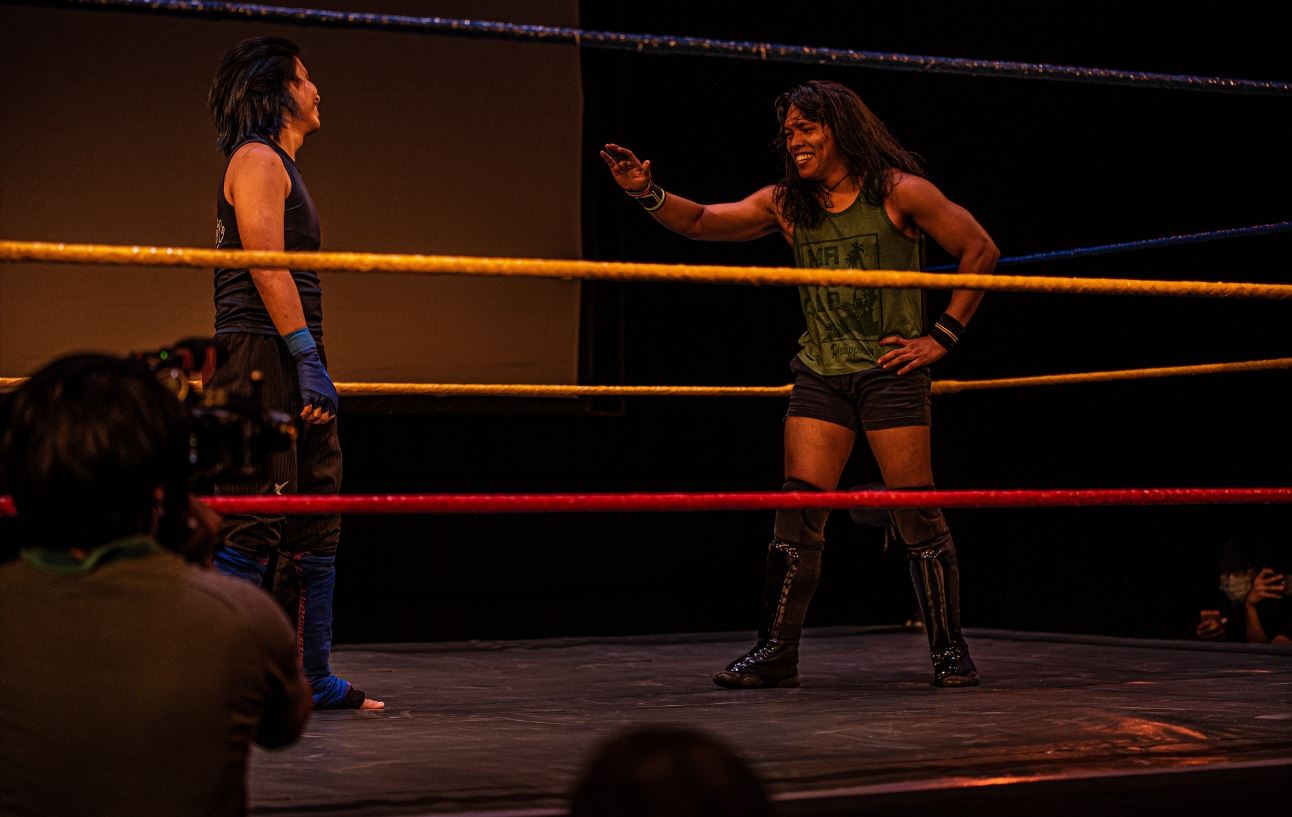
"The Pinoy wrestling life is a curse, this isn't fun"
ENTERING INTO the Manila Wrestling Federation (MWF) academy, one could finally have a realization that could bring back shades of their childhood.
"Finally, it is time to fulfill my dream of becoming a pro wrestler."
That is until you stumble upon one of the most esteemed MWF champions, Fabio Makisig. Being one of the key founders of the promotion and having done wrestling for almost a decade, one may expect an inspirational speech that would resound for the ages.
But here's what he would normally say on the first day of training.
"QUIT NOW!"
What a way to rally the troops, especially in a scene that has been struggling due to the limited opportunities and resources given.
And that's exactly why Makisig conveyed things in a brutal manner.
"The Pinoy wrestling life is a curse, this isn't fun. For some of us it could be like, 'We're living the wrestling dream, NO!' The amount of sacrifices that you have to give to be a Pinoy wrestler is too much for what you actually get," the MWF icon reflected to SPIN.ph.
Being a pro wrestler here in the country may be a lucrative option especially when you look at the long term success of reaching the international scene or becoming a main eventer, but there are a lot of obstacles that one needs to consider.
"I don't even want to subject my worst enemies into this life. Jusko! You can't enjoy life because you're training, you can't eat because you have macros. You have to constantly train, otherwise you'll be weaker, and then you do get hurt because of the physicality involved."
But Makisig is no stranger to the harsh environments as he once grinded his way before becoming an icon in Philippine wrestling.

Living in the slums
If Mr. Philippine Wrestling himself, Jake De Leon, is a real-life son of a haciendero, Makisig grew up in the slum areas in Batasan, an environment that pushed him to follow one life changing rule: SURVIVE.
"My parents have jobs, both are public school teachers. As many people know, they don't earn a lot. But they earn enough na nakakain kami ng three meals a day, but not more. Right smacked in the middle of surviving but not flourishing," he revealed in an exclusive with SPIN.ph.
Unlike other kids who had the means to buy their favorite toys or gadgets, Makisig never had that luxury. With nothing to do in life, he ended up getting more involved in physical activities.
"Most of my hobbies noong kabataan ko ay related sa movement and fitness dahil hindi mo kailangang gumastos. Simula noong bata ako, I've been physically active. I've done martial arts, calisthenics, fitness, that's always been my thing."
What's impressive about Makisig's feats is that he didn't rely on a coach. He honed his skills through YouTube videos and a plethora of trial-and-error attempts.
"I am actually a part of the pioneer generation of martial arts tricking or parkour or free running in the Philippines," started Makisig.
"We were the generation who had to learn through YouTube, who had to learn on our own, hurt ourselves to learn what works and when the world formed an industry out of this, me and my batchmates also became the first coaches."
All he needed was a grassy surface to practice his skills, and while doing so, his environment would test his fighting spirit.
"Sa slums mahina yung konsepto ng mga siga e kasi everyone for himself. So people try to bully me, and makikipagsuntukan ako sa kanila."
Makisig added: "I think I'm one of the very few na legitimate na basagulero sa Pinoy pro wrestling. A lot of people in Pinoy wrestling are geeks and good guys, those who have never fought in a street fight in their lives. Growing up in that kind of environment, normal lang sa akin yun."

Juggling numerous jobs
Fabio Makisig was used to that kind of environment that when he was given the chance to finally break through in a different field, things seem to surprise him.
Entering into the Mapua Institute of Technology, Makisig experienced a culture shock moment.
"College was the first time that I see people around my age, na may kakaibang yabang. Dahil may kotse sila, parang cool na sila. Iba pala yung konsepto ng angas or yabang sa ibang lugar."
Given his childhood, it may seem like Makisig will be motivated to finish his studies for a better future, but something else happened in his life.
"I did go to college but I didn't finish. I spent a year and a half in Mapua Institute of Technology. Expensive lalo na quarterly pa noon and I wasn't able to continue dahil money issues and at the time my sister was entering college," he looked back.
And so Makisig made the ultimate sacrifice, where his sister will be the one to finish college, while he ended up becoming a "racketero." He juggled across numerous jobs from working in the BPO, becoming an ESL (English as a Second Language) teacher, coaching martial arts tricking and parkour.
Then came his venture into professional wrestling.
Founding the MWF
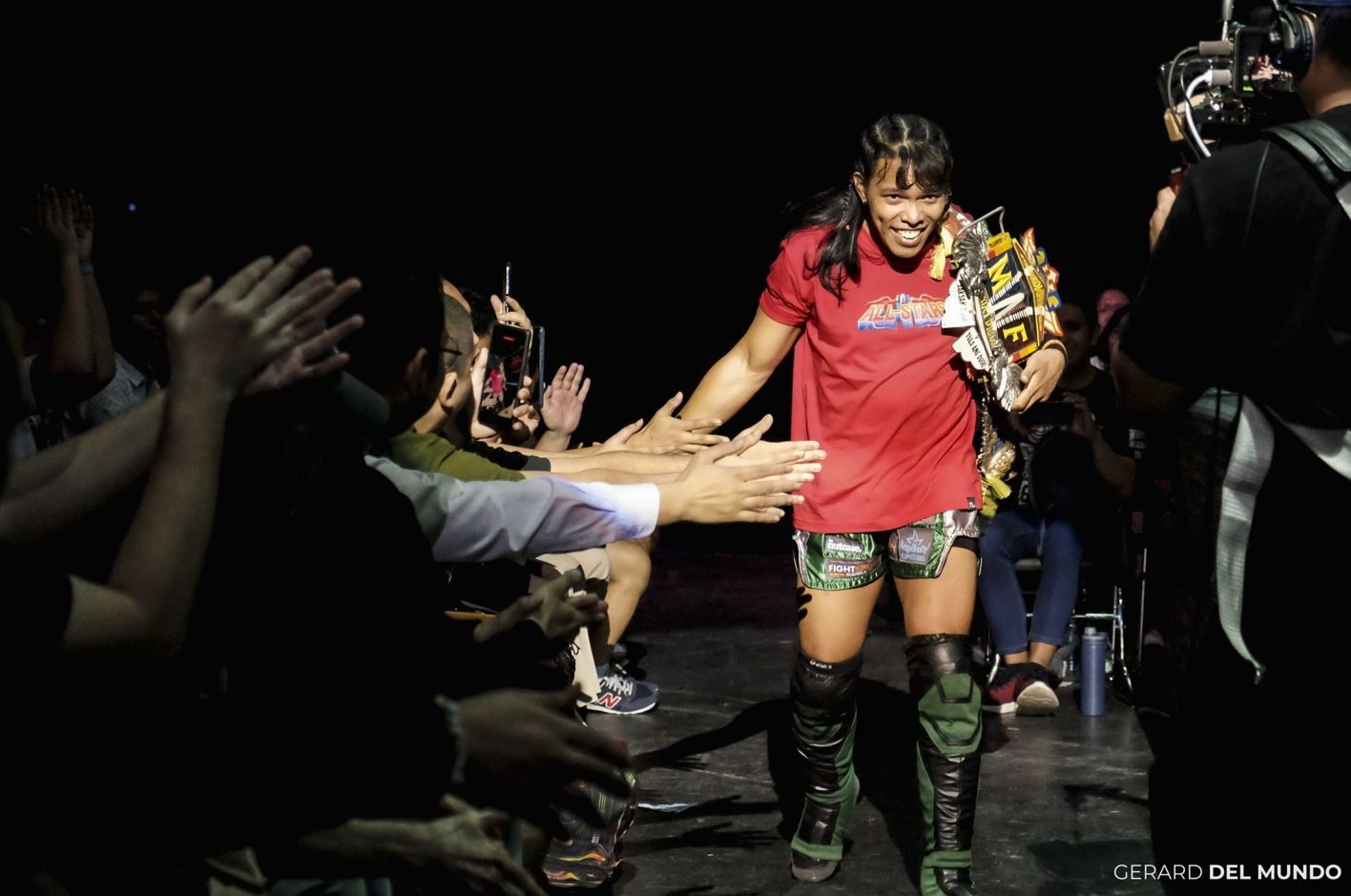
"What happened was, I was looking for a group to join, and the friends of Rex Lawin and Robin Sane reached out to me and I was able to talk to them and sige let's do this," said Makisig.
And so they founded the Manila Wrestling Federation or MWF, in response to the Philippine Wrestling Revolution (PWR). Their vision was completely different as the MWF aspired to create and hone the brand of Pinoy wrestling, contrasting PWR's approach of integrating the American and Japanese style of wrestling.
Hence their vision: "We believe that Pinoy wrestling deserves an identity of its own, hence why we established the MWF. Our goal is to tell the Filipino stories, the struggles, the romance, so Pinoy wrestling stories yung pinaka-unique feature namin."
But it wasn't an easy task as the early days of the MWF was plagued by logistical issues, specifically on their bootcamp.
"We kept getting kicked out of gyms," highlighted Makisig.
"The primary struggle was no gym was courteous enough to keep us. What we did was technically dangerous to their property. We were bumping on a boxing ring so syempre masisira namin yun."
And since pro wrestling can be an adrenaline pumping experience filled with theatrics, some of the MWF trainees went overboard.
"People were not all that familiar with the idea of pro wrestling and youthful shenanigans like inadvertedly being rude to the people and being far too comfortable in a place that's not our home."
Lucky for the MWF aspirants, Makisig was a coach for Ninja Academy, an indoor trampoline and parkour arena. He convinced the team to join the academy and hone their skills.
"Many people who join pro wrestling do not understand the level of physical coordination that it requires. So learning the basics like rolling, break falls, those are things that we were able to hone and develop in Ninja Academy."

The sacrifices that Pinoy wrestlers endure
Yet there are still other struggles that Pinoy pro wrestlers have to endure and the most common theme has always been about the finances.
Pro wrestling in the Philippines isn't for the faint of heart, not because of the extreme moves that one needs to perform but also because of the limited income wrestlers attain.
Not even television deals could salvage the production and what's even surprising is that the wrestlers themselves are the ones who do everything.
"At a certain point of time, MWF had a multimillion production crew at a price of almost free. That meant that the MWF muscular team, they were the once responsible for creating the graphics, OBBs, shooting materials, marketing materials online, the people who make that are also your favorite Pinoy wrestlers."
Makisig reiterated: "Pinoy wrestlers love this so much to the point that they offer their professional skills for next to nothing, to provide you with amazing Pinoy wrestling."
"The episodes you see in Rock of Manila, we were able to do that for a very low price, much lower if we pay people the correct amount that they should be compensated but we get away with this because of love."
"In MWF, everything you see, experience, that's the entire handywork of Pinoy wrestling. The 'vs.' graphics that you see is created by likely featured by someone from that graphic. The chairs you sit on was arranged by the wrestlers."
It was a sight that could bring tears to Makisig's eyes, that despite the hardships his fellow wrestlers endured, they still push forward.
Ultimately this served as his motivation.
"At the start it was the physicality, then the more I watched it I fell in love with the storytelling, and then when I started doing this, I fell in love with the community, and most importantly the Pinoy wrestlers who are willing to sacrifice everything," reflected Makisig.
Tough love
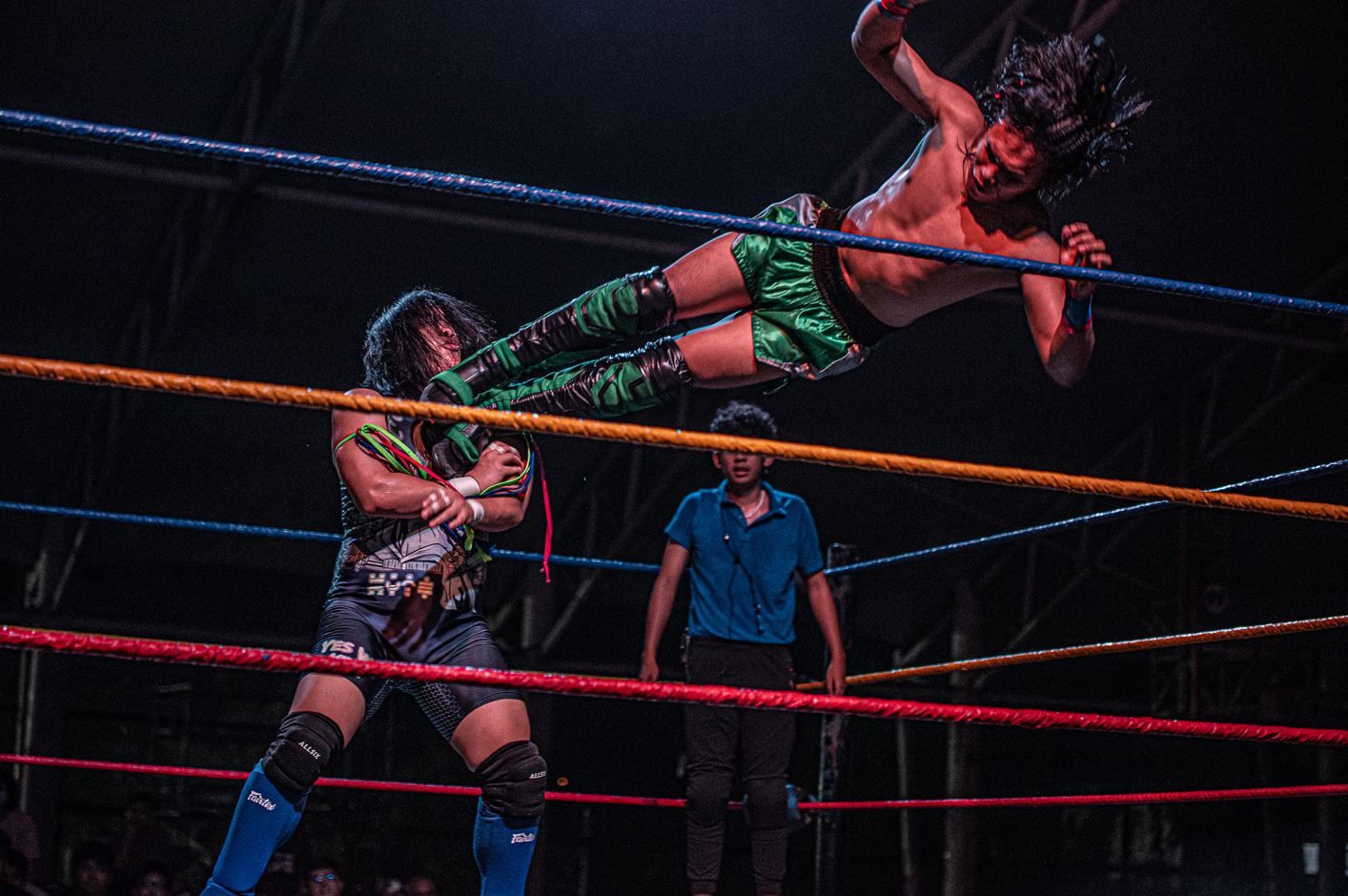
Seeing the level of effort Pinoy wrestlers display, this explains why Makisig's approach to training has been centered around tough love.
Pro wrestlers may have a persona that would make them look tough, but deep inside they're also human. They have dayjobs to sustain themselves, hence it is important that their safety is well maintained.
As a coach Makisig would emphasize on this, hence his perfectionism.
"I am a very strict and severe coach. I'm the type of coach who will teach you a move or technique and will absolutely expect that you perform what I teach, nothing less and nothing more," he narrated.
"This is because of the issue regarding safety. Think about it. Filipino pro wrestlers aren't doing this for fulltime. We all have dayjobs. I cannot allow them to perform a move incorrectly that can endanger their well-being."
In fact when mistakes happen inside the ring, Makisig's first instinct is to loathe himself.
"Kapag may nakikita akong botches on shows, that is a personal reflection on me as a coach. When I see my wrestlers getting hurt, I blame myself because I didn't train them enough."
Add his experience as a martial arts trickster where he can perform acrobatic moves, and Makisig is one tough coach to impress. When SPIN asked who among his trainees wowed him from the beginning, there was none that comes to mind when it comes to their in-ring work.
However he doesn't discount the mental fortitude displayed by some of his students.
A warrior's spirit
"Joey Rosas when he started with me he was this overweight kid who can't front roll. Now look at him, he is one of the most charismatic in the industry."
"Aaron Liwanag he started off with PWR but then he trained under me. He started as this lovable big oaf but now the amazing performer that he is right now."
These were some of the notable examples that Makisig highlighted, but there were those who shifted his perspectives.
Among them is Patricia Ligaya.
"I didn't see anything from her. I told my partner, she'd probably quit around six months, but she didn't. When she started with me, she was living in Nueva Ecija and she would do online training with me in my program."
What made Ligaya stood out was the fact that she was willing to sacrifice everything just to chase her dream. In one sudden swoop, she decided to leave her comfort zone.
To begin with, she was never a fan of pro wrestling.
"This was in late 2021 so she would do these exercises online and I would be teaching her how to do front rolls and I told her to get rubber mats and while doing that, she would always bonk her head, she would always do something wrong and then when the world opened up, she would travel from Nueva Ecija to Brawl Pit Bulusan and she would always get hurt."
"Not because her technique was wrong but because she was physically weak, she wasn't eating right, she wasn't training right, and no matter how much we guided her, other factors were getting into her way. Then she decided to move to Manila to be closer to training. Just that determination and drive is really commendable," Makisig looked back.

Acknowledge him
Then came Jomar who like Makisig, grew up in the slums. When Jomar first entered the MWF factory, Makisig didn't hesitate to slam him down.
"When Jomar started I told him to quit because he vomitted inside the rest room and he didn't flush. So I told him, 'Don't come back you quit now."
Did he follow Makisig's advice? Well...
"He came back on the next training and he kept coming back until he got so undeniably good that you have to acknowledge him," he said.
The students he trained, alongside the people he worked with, and the industry that he has fought for will forever be engraved in his legacy.
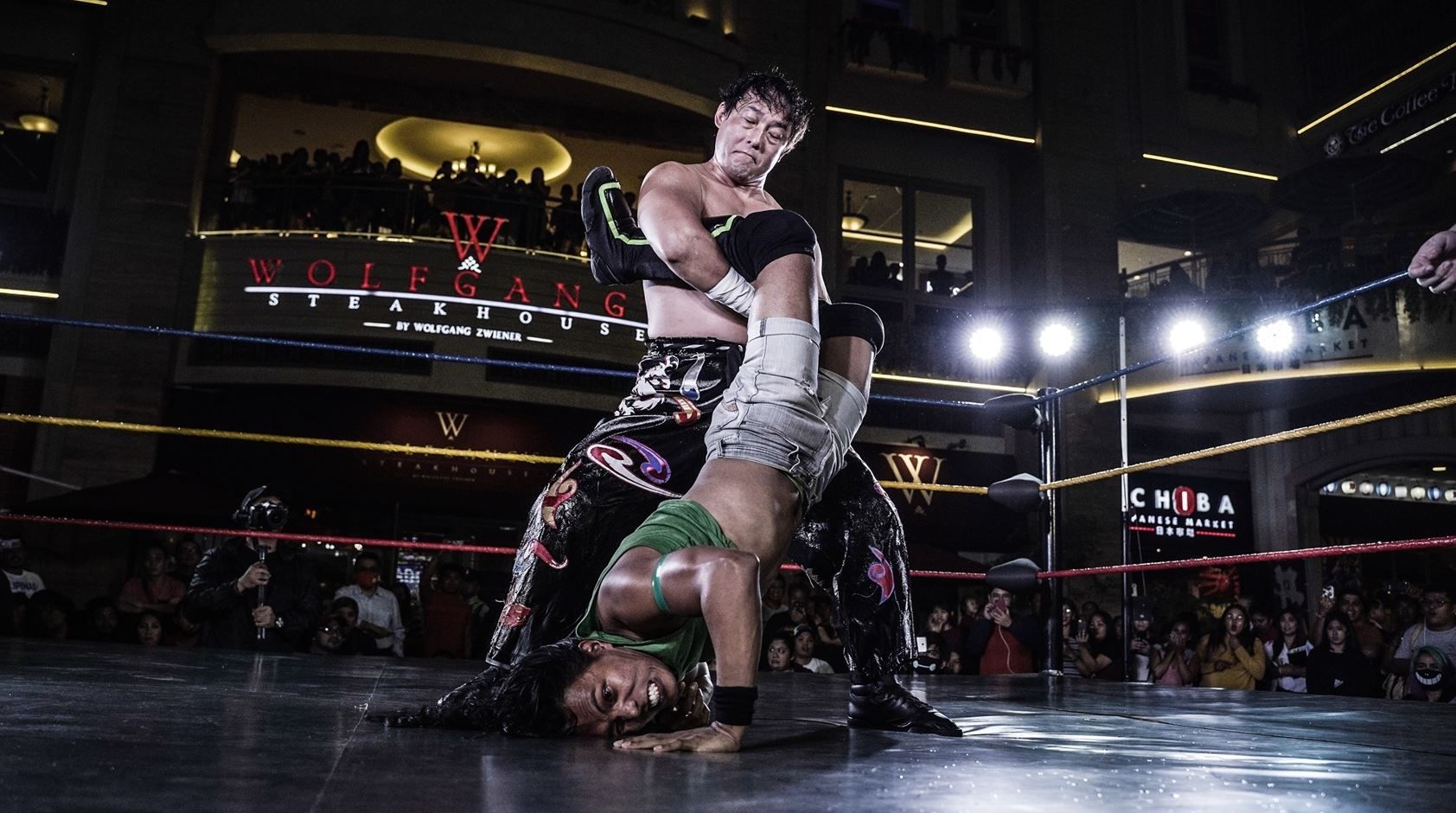
And even when the MWF announced its closure, Makisig's warrior spirit remains.
Together with Jomar, he is hoping that they could travel to Japan to further hone their skills, and most importantly carry the Philippine banner abroad.
"Right now I'm just taking it slowly with my team. The doors haven't fully closed for Pinoy wrestling naman. I'm trying to shift my focus in gathering resources and support to fly to Japan and train. If we get to do that, there will be more doors and windows will open for Pinoy wrestlers to have a shot in the industry."
Those who are willing to help Makisig and Jomar achieve their dreams, where they'll be trained by former WWE superstar Tajiri, can do so through the following link.
Get more of the latest sports news & updates on SPIN.ph
NOTICE ON UNAUTHORIZED AND UNLAWFUL USE, PUBLICATION, AND/OR DISSEMINATION OF SPIN.PH CONTENT: Please be notified that any unauthorized and unlawful use, publication, and/or dissemination of Spin.ph’s content and/or materials is a direct violation of its legal and exclusive rights to the same, and shall be subject to appropriate legal action/s.

NPC Seal of Registration
Spin.ph has been granted the NPC Seal of Registration in recognition of the successful registration of its DPO and DPS