
A MONTH before the Tokyo Olympics, Margielyn Didal is trying to pack in as much prep time as she can before the biggest game of her life.
She’s not just training in her own personal skate park in the highlands of Cebu, which she describes as a place where “I can go any time, rain or shine, para mag-skate.” Didal also wants to fly abroad for a few more weeks of training.
“[Iba] yung size of obstacles, pag nagte-train ka rin sa ibang bansa,” she said.
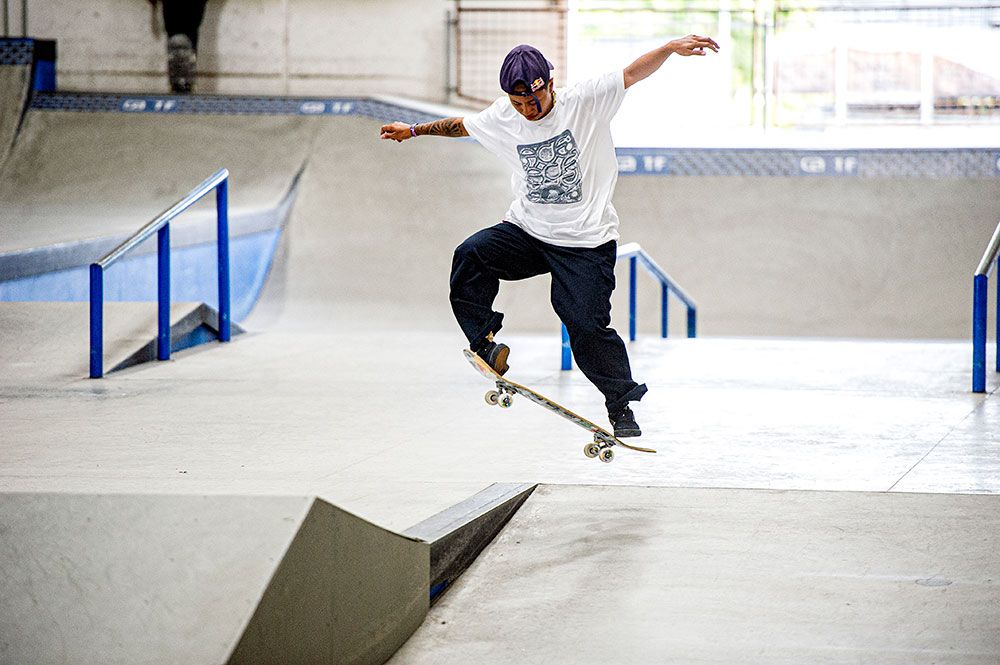
“We leave early July for LA for one last training camp,” explained Coach Dani Bautisa at a press conference for the young Olympian. “We plan to fly to Tokyo July 18.”
Didal is feeling very good about her chances.
Talking about the competition, she said: “I know I have my own tricks, a bag of tricks they don’t have. We’ll see.”
She’s come a long way from the little kid who used to borrow boards from older skaters just to get her laro in.
Skateboarding is usually seen as a pastime and hobby, rather than a sport. But Didal broke the stereotype and proved to the people that we should really be paying more attention to a sport that's traditionally been seen as nothing more than a hazard in the streets.
"She made skateboarding acceptable to the traditional Filipino," reflected Bautista in a documentary that's currently streaming in the official Olympics YouTube channel. "It's possible that you can have a career in skateboarding. That wasn't a path for skateboarders in the Philippines."
“When I ride the skateboard, I feel like I’m being me,” she said.
How Margie started skateboarding
She started her skateboarding career when she was fourteen years old when she and her mother used to sell street foods beside a church. As she helped her mother out in the stall, Didal also kept an eye on the local skaters.
At one point, when Didal’s mother asked her to buy oil and flour, the young teen returned an hour later, still on a high after borrowing a board and trying out the sport for the first time.
Her mother was not pleased.
“I told her, ‘What will you get from skateboarding?’ And that is for boys. I told her, ‘It is dangerous for you because you are a girl,’” said Julie Didal in the documentary, speaking in Cebuano.
But Margie persisted.
From her time on the streets, where she impressed even older skateboarders, Didal rose to fame after competing in the 2018 Asian Games in Jakarta, Indonesia and clinching a gold medal for the Philippines.
In 2019, during the 30th Southeast Asian Games — the first time skateboarding appeared as a medal event in the regional meet — she bagged two more gold medals.
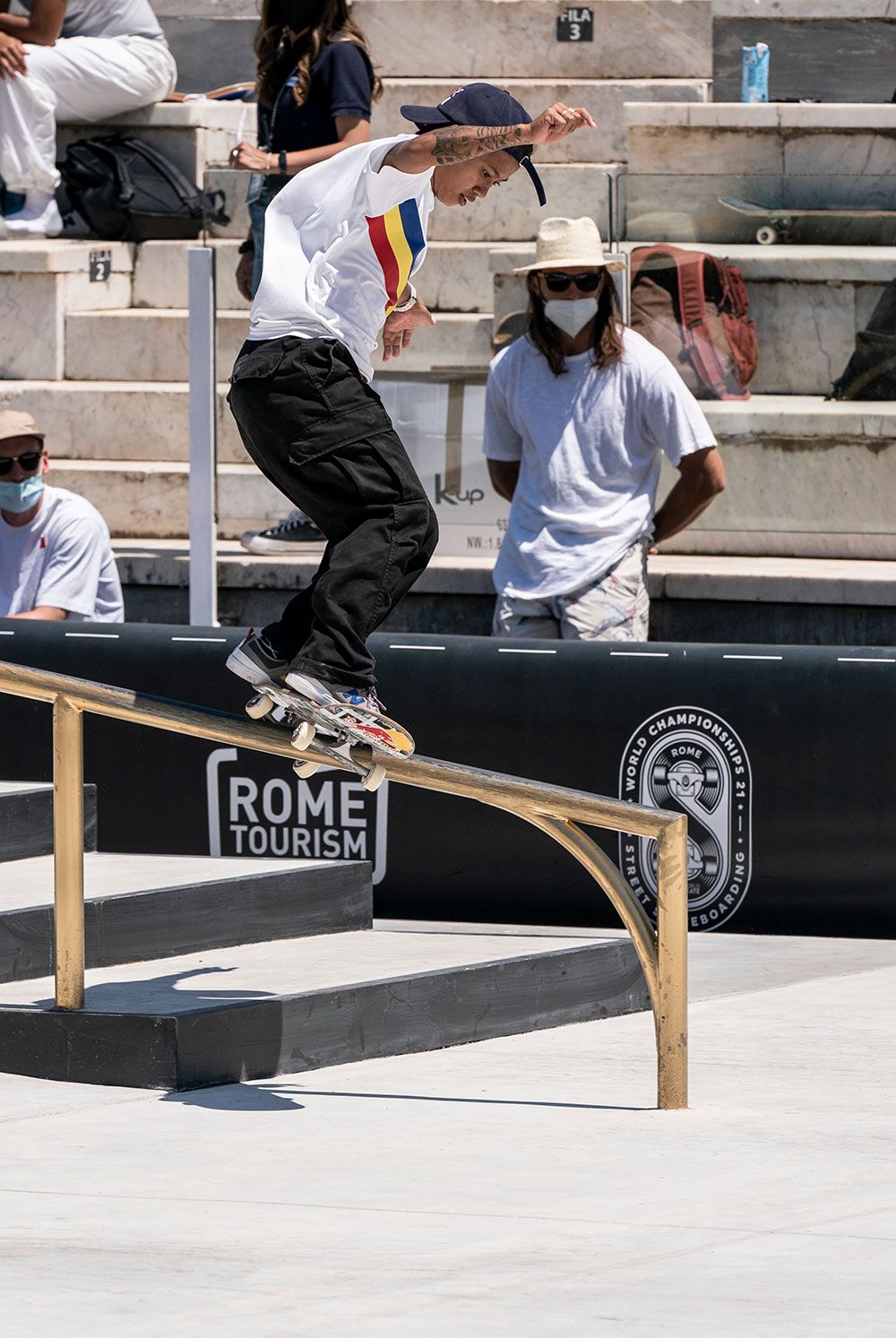
Just last month, she became the 10th Filipino to qualify for the Olympics. Despite failing to make the finals in the 2021 World Street Skateboarding Championships in Rome, she qualified for Tokyo via world rankings. She is currently ranked 13th in the world in women’s skateboarding.
It’s been a dream three years in the making, when she found out that skateboarding would finally be included in the Olympics.
"Before, skateboarding is a lifestyle, and for fun lang. Until may time na, oh, I can earn money,” she recalled during her press conference.
Didal continued, “Then three years ago, nalaman na skateboarding will be part of the Olympics. I worked with my team, my coach, and all the people behind this — while still having fun na mag-skate, that was the goal. To be in the Olympics.”
And would she have any tips for the next Margielyn Didal, who may have already been inspired by her life story to start taking up the sport of her own?
Didal keeps her advice practical.
"First of all, when you skate, make sure it's a safe place, kung saan man kayo naglalaro. When you try skateboarding, do some warm-ups, and make sure na may naga-guide sa iyo. Wear safety gear rin," she said.
These are things she likely didn't have growing up a street skateboarder in Cebu. But thanks to everything she's accomplished, she's paving that way for the next generation of skateboarders in the country.
With additional reporting by Mark Ernest V. Villeza.
Get more of the latest sports news & updates on SPIN.ph
NOTICE ON UNAUTHORIZED AND UNLAWFUL USE, PUBLICATION, AND/OR DISSEMINATION OF SPIN.PH CONTENT: Please be notified that any unauthorized and unlawful use, publication, and/or dissemination of Spin.ph’s content and/or materials is a direct violation of its legal and exclusive rights to the same, and shall be subject to appropriate legal action/s.
