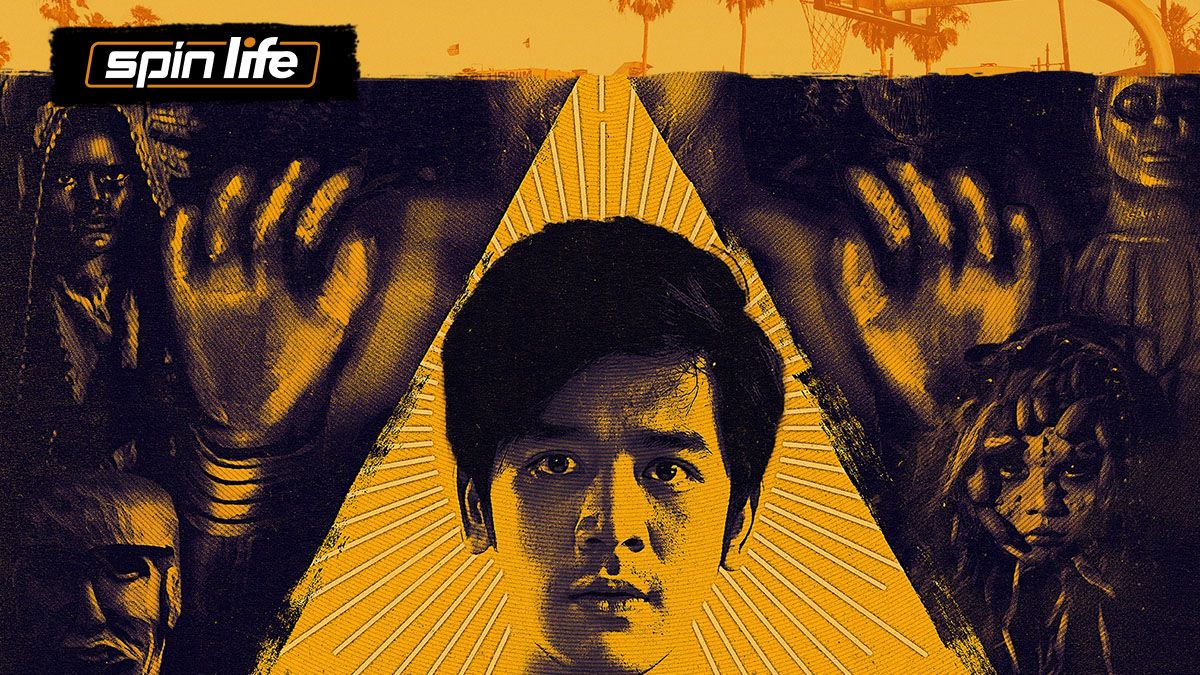
THE BEAUTY of horror stems on how it manages to play with our imagination and some of the most renowned examples stem from found footage classics like The Blair Witch Project and the original Paranormal Activity.
And even outside the found footage genre, there are other notable examples like the South Korean horror classic, A Tale of Two Sisters, a film that blew me away because of how it managed to masterfully connect the dots and produce one of the most emotional plot twists in the genre.
Or how about the underrated film known as The Autopsy of Jane Doe, which didn't really reveal too much, but managed to captivate the audience.
One thing I liked about these films is the sense of mystery involved, whether it is through the limited backstory from malevolent entities or how the main character slowly uncovers the enigmas ahead, leading to a chilling conclusion.
Upon finishing Bob Ong's popular novel turned movie entitled, Ang Mga Kaibigan ni Mama Susan, I had this feeling that Bob Ong and the film's director Chito S. Roño, decided to follow the same approach. Was it able to garner the same impact?
WARNING: MAJOR SPOILERS AHEAD
The dilemma with Bob Ong's novel
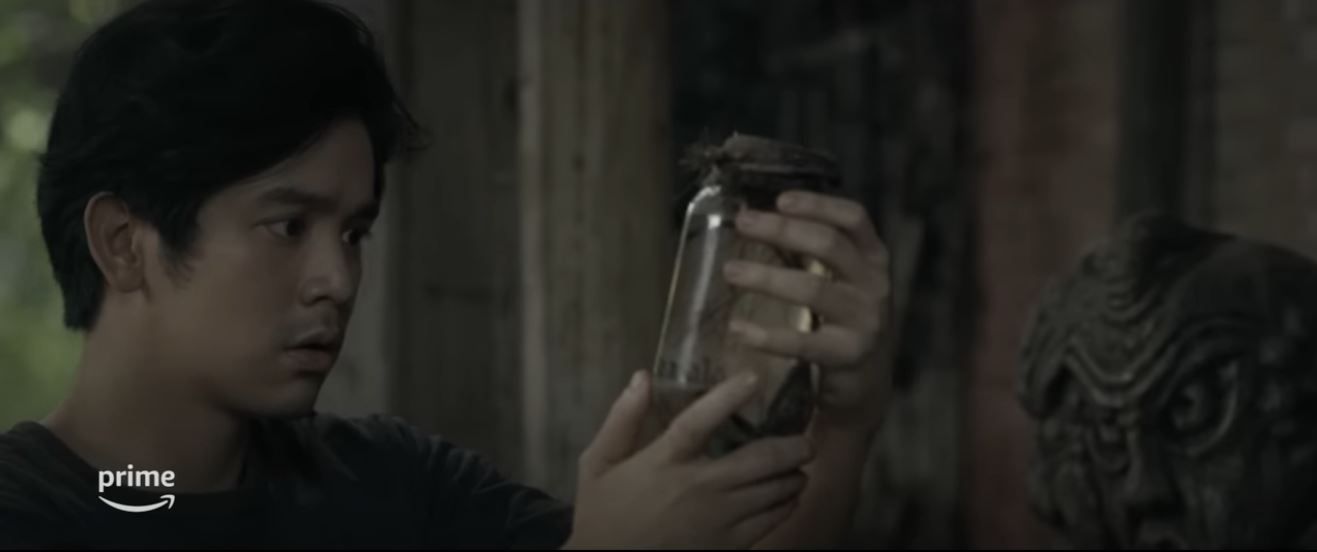
Personally, I had mixed feelings with Roño's direction for the following reasons. With the way the film was executed, I could imagine Roño trying to apply a unique formula where he intended to play into the minds of the viewer, which was something that Bob Ong wished to emphasize in his novel.
In fact, I managed to pull a plethora of theories in my head. For instance, the ghost who shouted 'huwag' must be the father of the main character who wanted his son to stay in Manila, while the two kids named Niko and Jezel were just a illusion created by Mama Susan.
Then when I glanced on the comments section in YouTube, fans started to generate their own theories and analysis regarding the film's scenes.
Based on what I witnessed, both Roño and Ong managed to encourage viewers to be more open-minded, however there are drawbacks with their approach.
One of the most glaring issues I had with the film is that it struggles to intertwine the events and lead them to a satisfying conclusion.
For example, there were notable events in the film that weren't really tackled deeply. Gilberto "Galo" Manansala, the main character of the film, learned that his best friend Roy was beaten-up, but afterwards this incident became forgotten in the film.
But this wasn't the only narrative that was left hanging, as the death of Galo's father, which in my opinion should be an important plot point, was vaguely narrated.
Now I mentioned my thoughts on Galo's father earlier, but given that it has been explored at the early parts of the film and touched upon as the film progressed, and its connection with the main characters, this moment shouldn't just be an interpretation for the viewer, but rather a mystery that should be addressed.
And because of the film's unresolved issues, I was left frustrated with the ending, a scene that could've been an emotional ride had there been more depth in the narrative.
CONCLUSION
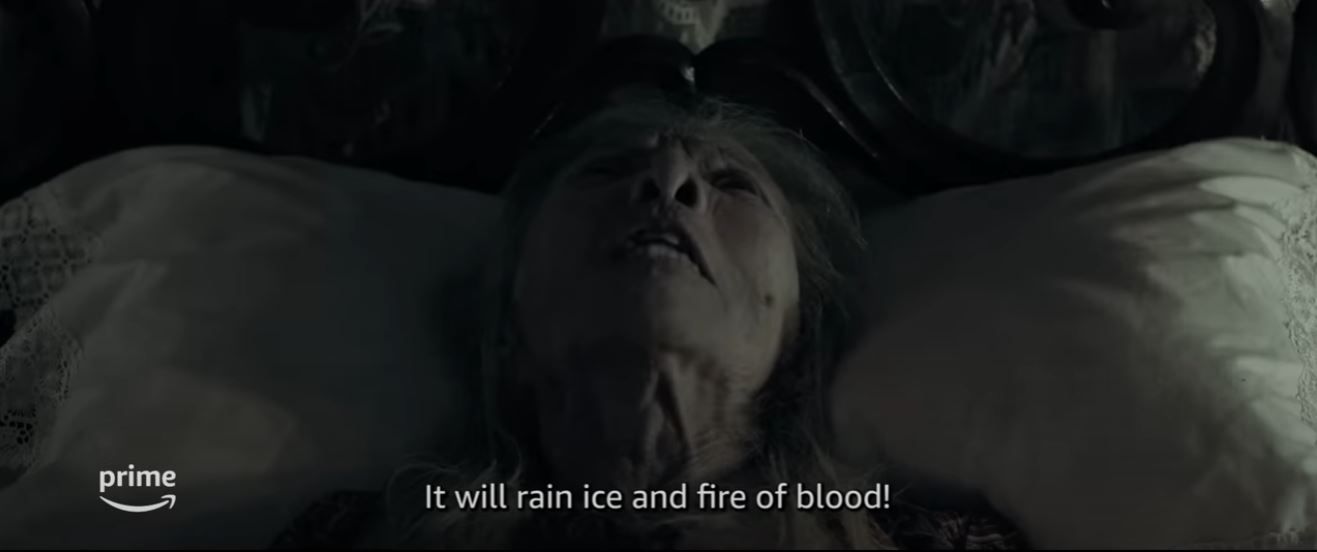
Overall, 'Ang Mga Kaibigan ni Mama Susan' tries to creatively bring something new into the horror mystery genre, but ends up looking lost in terms of execution. Looking back, I reflected if the film's obsession with audience interpretation was the best method given that some of the narratives weren't really fleshed out.
Some of the horror films I mentioned earlier were able to leave the audience guessing on the film's ambiguous conclusion, while being able to see a clear progression in terms of plot, something that Roño struggled to deal with.
While there are negatives, the film had its bright moments specifically from the character portrayals most especially from Joshua Garcia and Angie Ferro.
And if you wish to form your own conclusions, the film is available to watch on Amazon Prime Video.
Get more of the latest sports news & updates on SPIN.ph
NOTICE ON UNAUTHORIZED AND UNLAWFUL USE, PUBLICATION, AND/OR DISSEMINATION OF SPIN.PH CONTENT: Please be notified that any unauthorized and unlawful use, publication, and/or dissemination of Spin.ph’s content and/or materials is a direct violation of its legal and exclusive rights to the same, and shall be subject to appropriate legal action/s.
