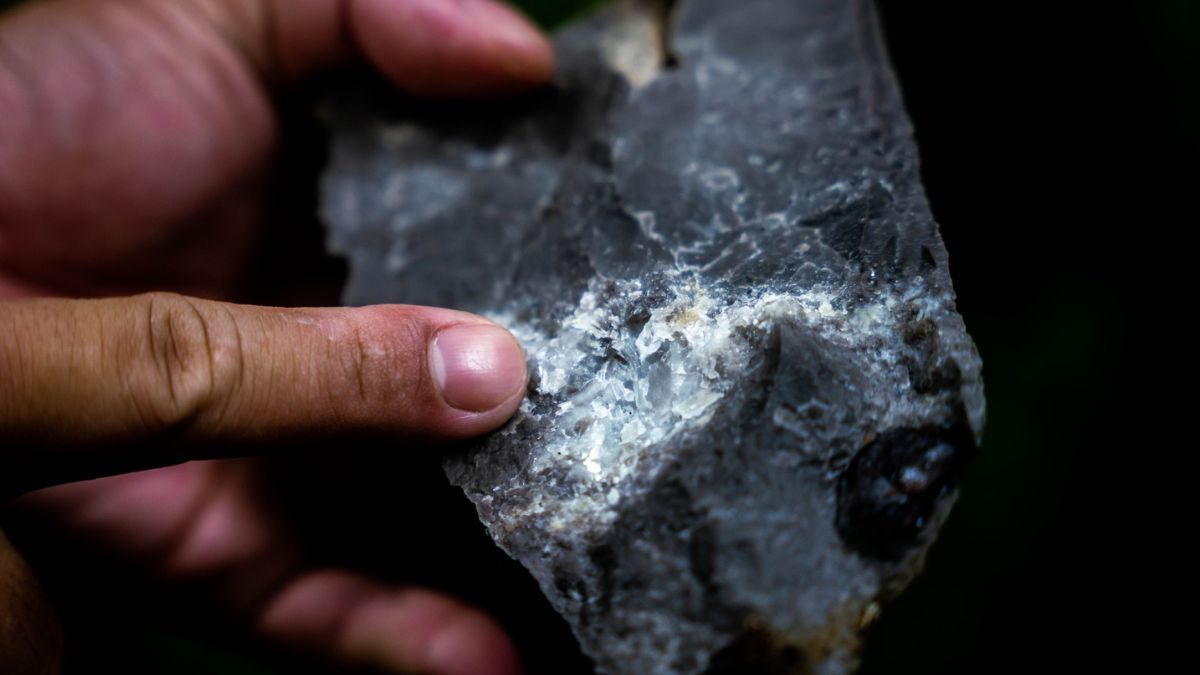
Masungi Georeserve is not only a rich biodiverse sanctuary. It is also a rich site containing pieces of earth's prehistoric past, preserved in fossils.
Limestone cliffs in Masungi were once underwater.
The Masungi Limestones formed mostly during the Paleocene epoch 60 million years ago. These formations rose from the ocean through the meeting of tectonic plates—the same geologic activity that formed the great Sierra Madre mountain range. Masungi Georeserve is actually part of the Sierra Madre. Because of its proximity to the city, the Masungi Georeserve and its limestone cliffs act as Metro Manila’s last-standing shield against typhoons and climate change.
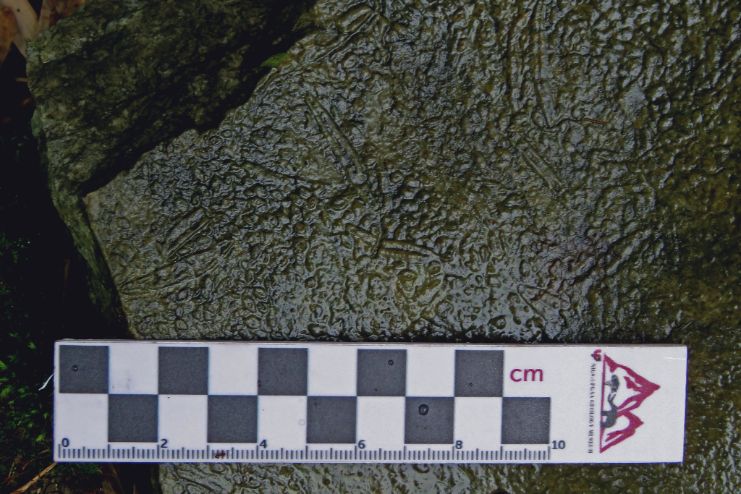
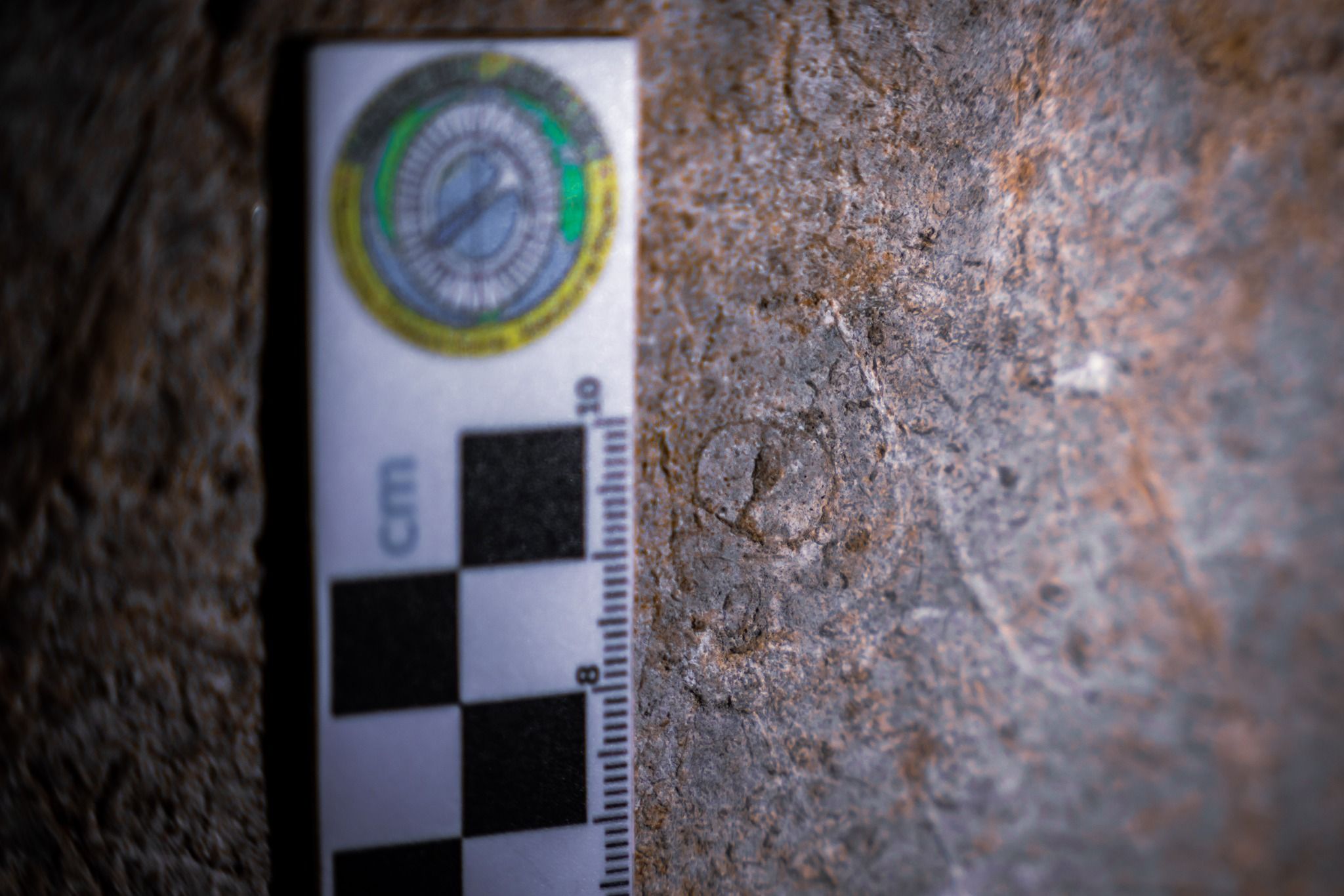
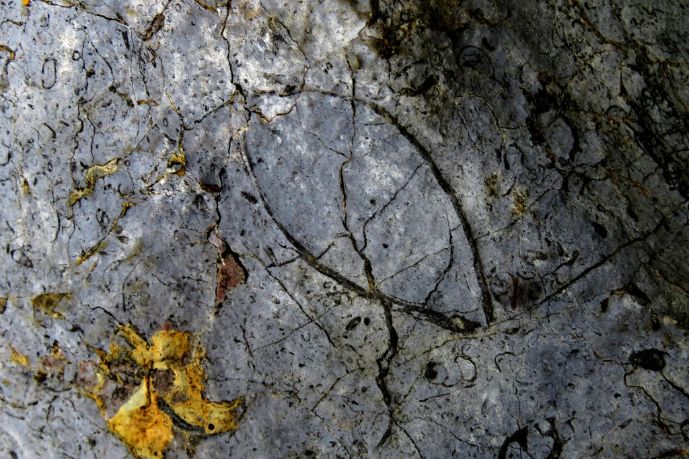
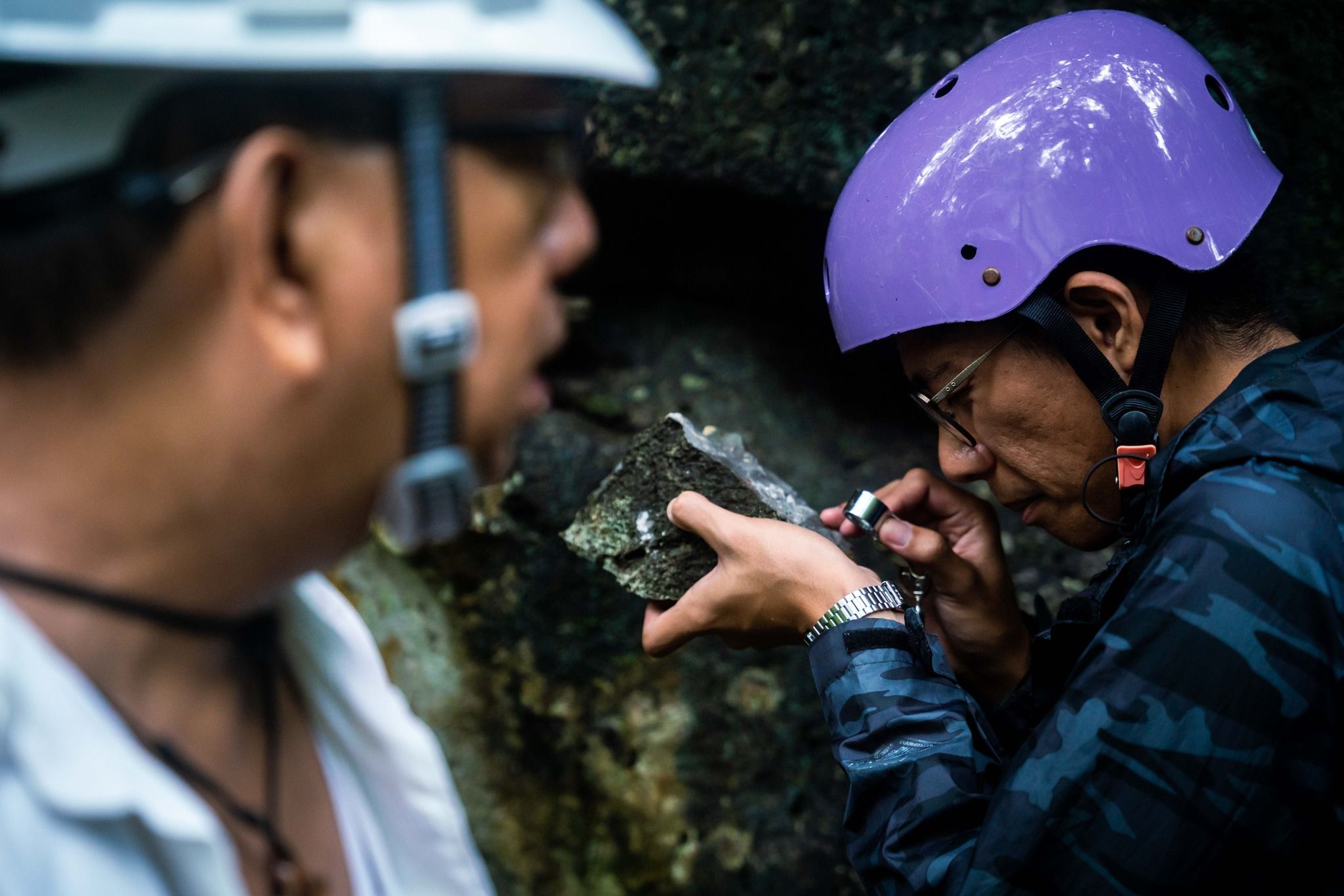
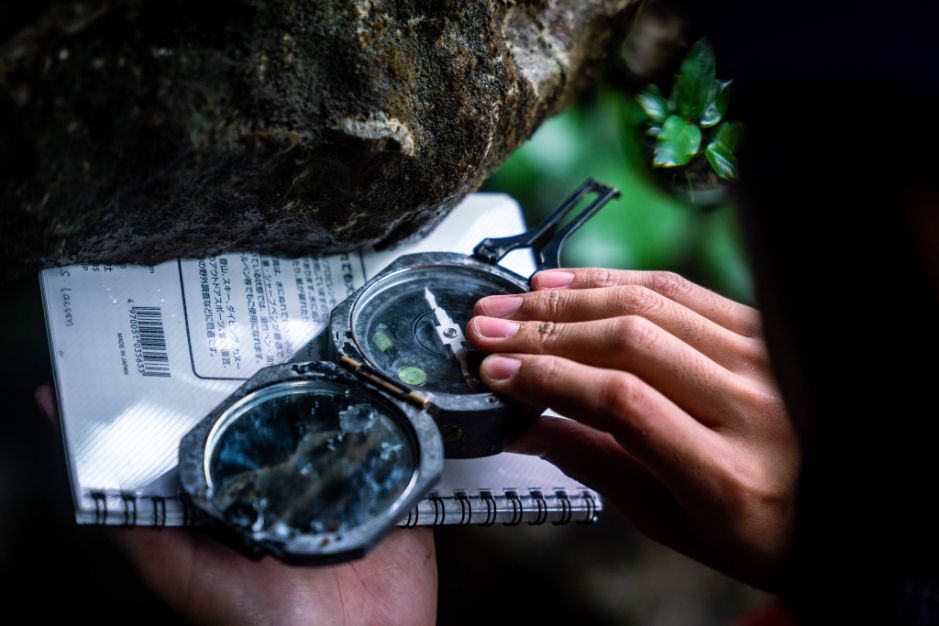
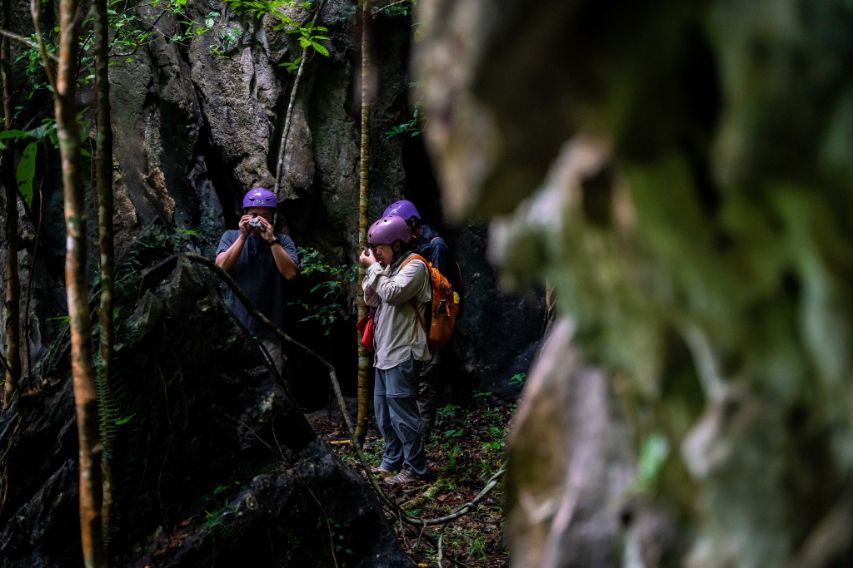
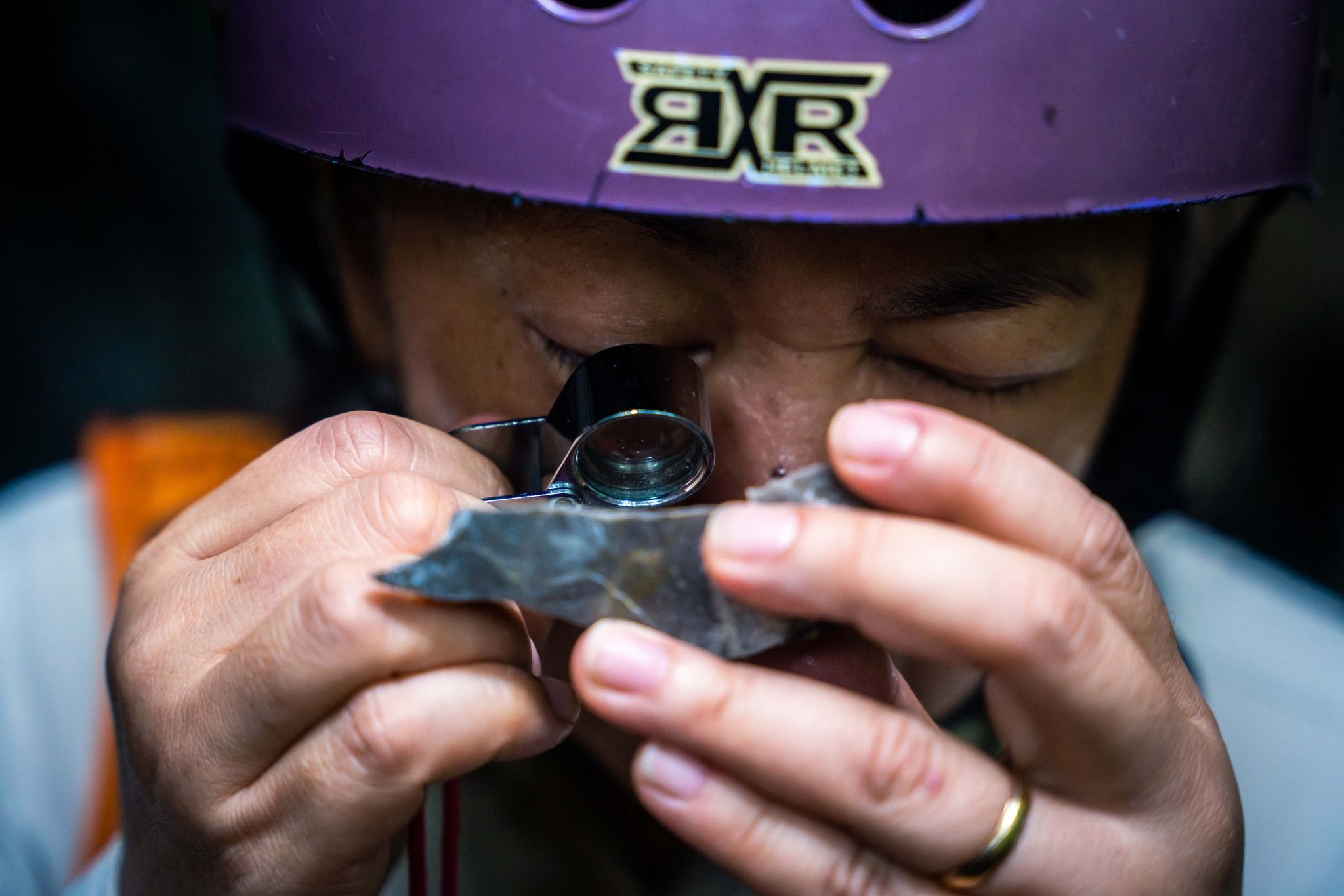
Early in July 2023, Masungi's defenders and some researchers from the UP National Institute of Geological Sciences (UP-NIGS) embarked on an expedition on Masungi's cliffs to find, document, and study existing fossils trapped within its limestones.
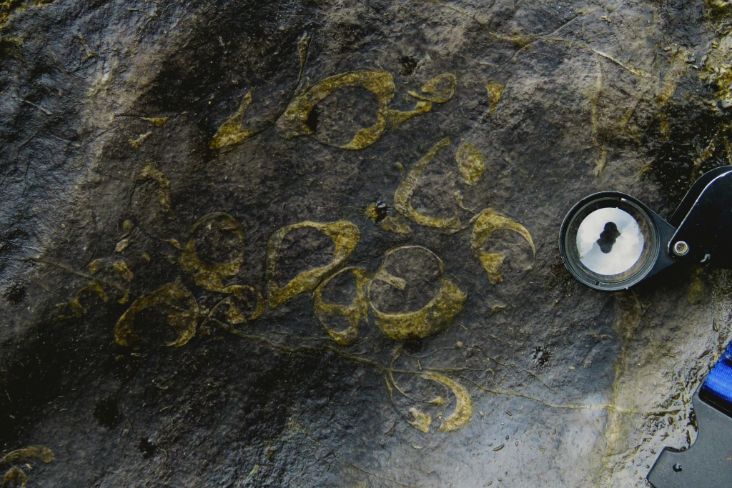
"Meticulously examining the limestones, our collaborators found traces and fossilized remains of marine protists, particularly the large benthic foraminifera (or forams), embedded into the rocks," Masungi wrote in a statement.
"The presence of these fossils, which were once living organisms on the seafloor, indicates that the landscape used to be submerged underwater. Further examination of these fossils will help experts determine the age of the rocks and the ancient environment where the Masungi limestone was formed beneath the ocean millions of years ago—before it was exposed and became the spectacular landscape it is today," it added.
Throughout its existence, the Masungi Georeserve Foundation has ensured the survival of over 400 species of flora and fauna, protected 60-million-year-old limestone formations, planted 40,000 indigenous trees, and employed over 100 locals who are now helping protect this piece of paradise.
Check out photos from the fossil expedition in Masungi Georeserve.
Get more of the latest sports news & updates on SPIN.ph
NOTICE ON UNAUTHORIZED AND UNLAWFUL USE, PUBLICATION, AND/OR DISSEMINATION OF SPIN.PH CONTENT: Please be notified that any unauthorized and unlawful use, publication, and/or dissemination of Spin.ph’s content and/or materials is a direct violation of its legal and exclusive rights to the same, and shall be subject to appropriate legal action/s.
