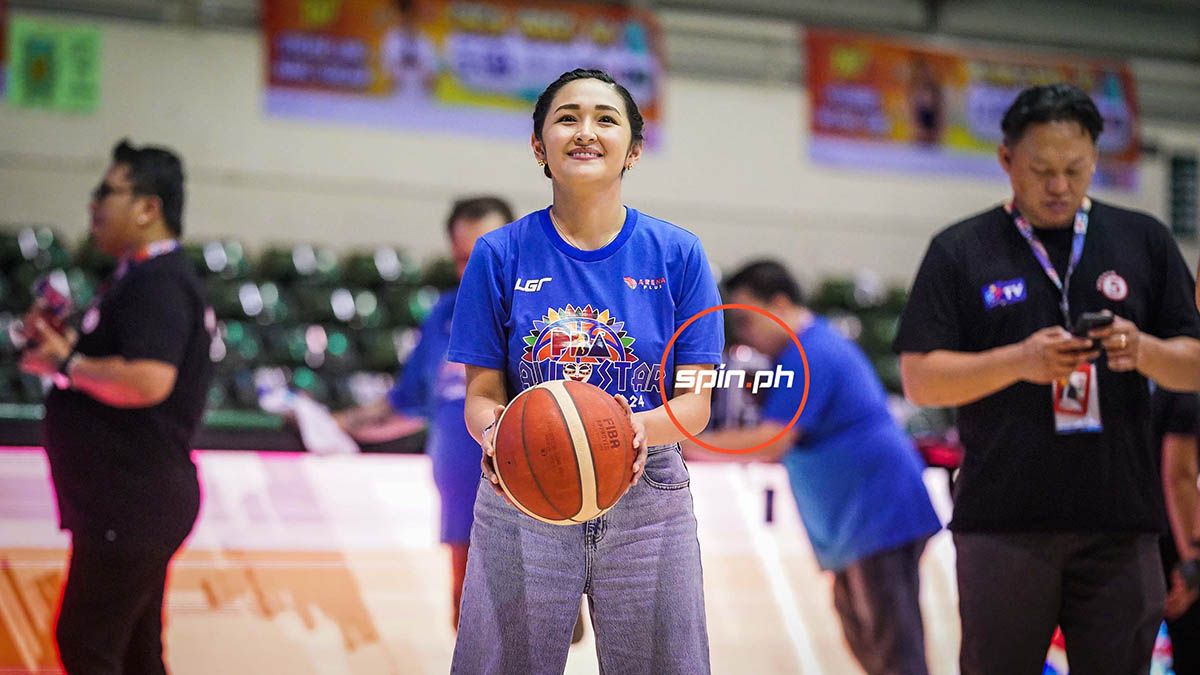
IN the sports media industry, women, too often, become part of the conversations before they even simply become storytellers.
For years, somewhere between the sidelines and the spotlight, female reporters have to deal with the reality that being good at their job, or not, was never the only thing people would judge them by.
After more than seven years covering locker rooms, I’ve repeatedly found myself facing questions about intent, appearance, and whether I looked “professional enough.”
READ Apple David hits back at critics of relationship with Letran player Gammad
There have been countless times, too, when earning an athlete’s trust meant risking speculation about ulterior motives — a bit distasteful because there was always none.
As if the stares weren’t icky enough, women sports journalists must also deal with comments about looking “too tired,” “too excited,” or “too dressed up” for the job.
A sports reporter’s job, first and foremost, is to tell stories. May it be an on-court account, a developing update, an announcement, or a human-interest detail that adds color to coverage.
Women in the field, though, often get questioned about their purpose, as if their presence must always carry another intention beyond doing the work.
Boundaries, ethics, perception
As if the job isn’t tedious enough, women also deal with questions such as: Who are you dressing up for? Do you date athletes? What happens when players make advances?
A recent revelation online involving a media personality and an athlete inevitably reopened conversations about boundaries, ethics, and perception.
Journalism carries a responsibility to act independently and remain impartial. But when professional boundaries are publicly blurred, it risks validating stereotypes that women in sports media have spent years trying to dismantle.
While romance is a personal freedom when entered into legally and consensually, journalism also demands mindfulness about the spaces people occupy and the power dynamics attached to them.
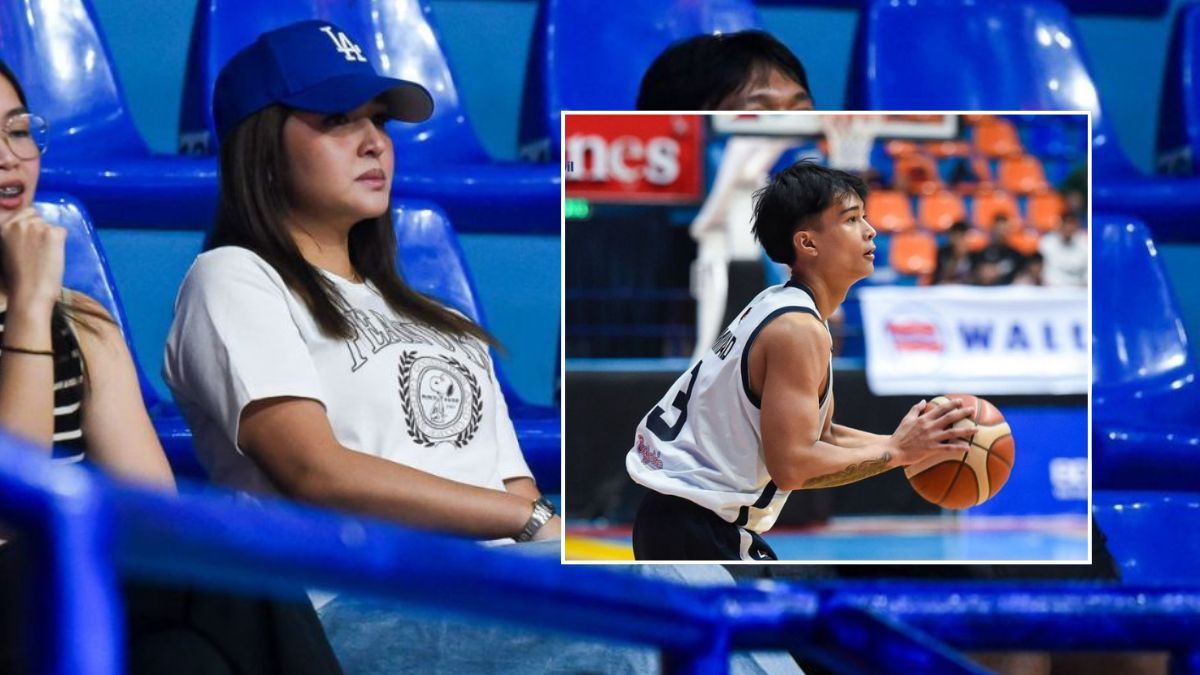
In light of esteemed PBA courtside reporter Apple David, 33, and 18-year-old Letran sophomore Chad Gammad publicizing their relationship, the issue goes beyond the 15-year age gap. There is an obvious power imbalance.
Gammad, who is still in college, is dating an established media figure who exists within overlapping professional spaces.
It is only proper to question the maturity level involved and whether Gammad has had enough life experience to fully navigate the relationship.
So, to Mr. Homer Sayson, who initially defended the narrative, I’d like to suggest that the question was never simply, “Is it legal?” but rather, “Is the power dynamic ethical, balanced, and appropriate?”
Women did not spend years fighting for space in sports media only to have their work reduced to who they are seen beside.
At the same time, controversies like this risk normalizing dynamics and professional boundary issues that deserve critical scrutiny, not casual acceptance.
For what it’s worth, most female reporters are simply here to do the job: tell stories, build trust, and give the game the coverage it deserves.
Ethical questions deserve to be asked, yes. But one controversy should not undo the gains women in sports media have made in proving they belong in these spaces for the right reasons.
They are storytellers first, and they deserve to be seen that way.
Nothing more, nothing less.
Get more of the latest sports news & updates on SPIN.ph
NOTICE ON UNAUTHORIZED AND UNLAWFUL USE, PUBLICATION, AND/OR DISSEMINATION OF SPIN.PH CONTENT: Please be notified that any unauthorized and unlawful use, publication, and/or dissemination of Spin.ph’s content and/or materials is a direct violation of its legal and exclusive rights to the same, and shall be subject to appropriate legal action/s.
