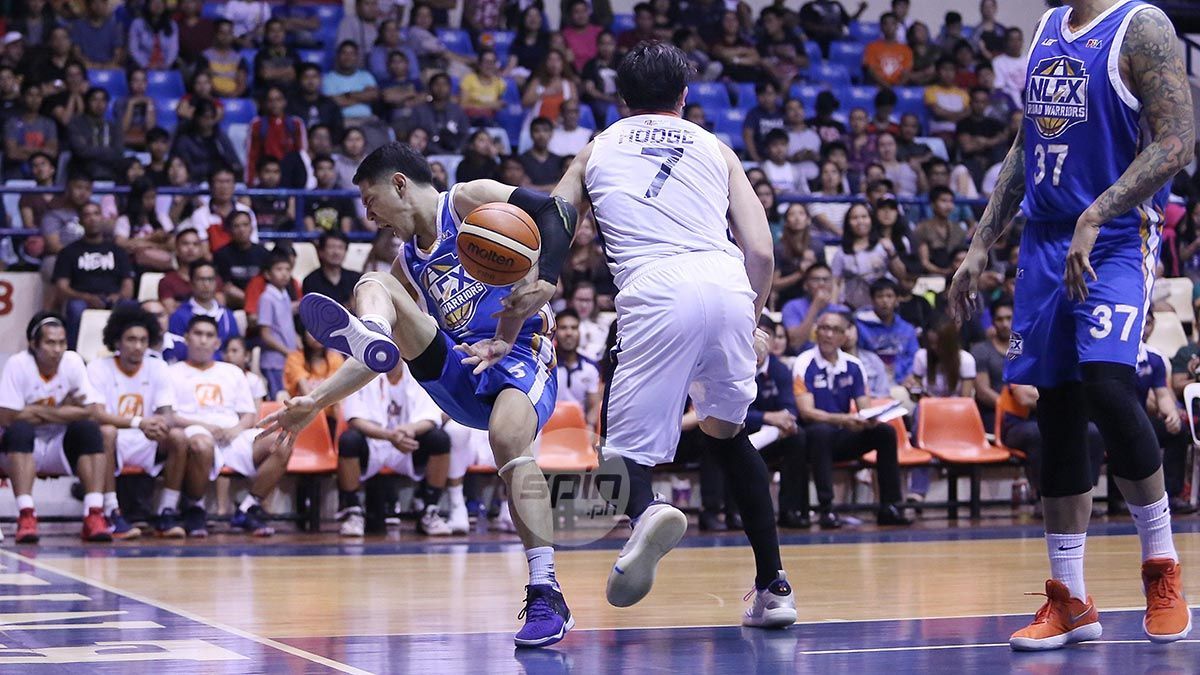
FOR athletes, it's one of the situations they dread the most.
"I think I've suffered an ACL injury."
An arterior cruciate ligament (ACL) injury is either a tear or a sprain of one of the tendons in your knee. Injuries vary from a strain to a tear which are usually classified as Grade I, Grade II, Grade III to a full tear after an examination.
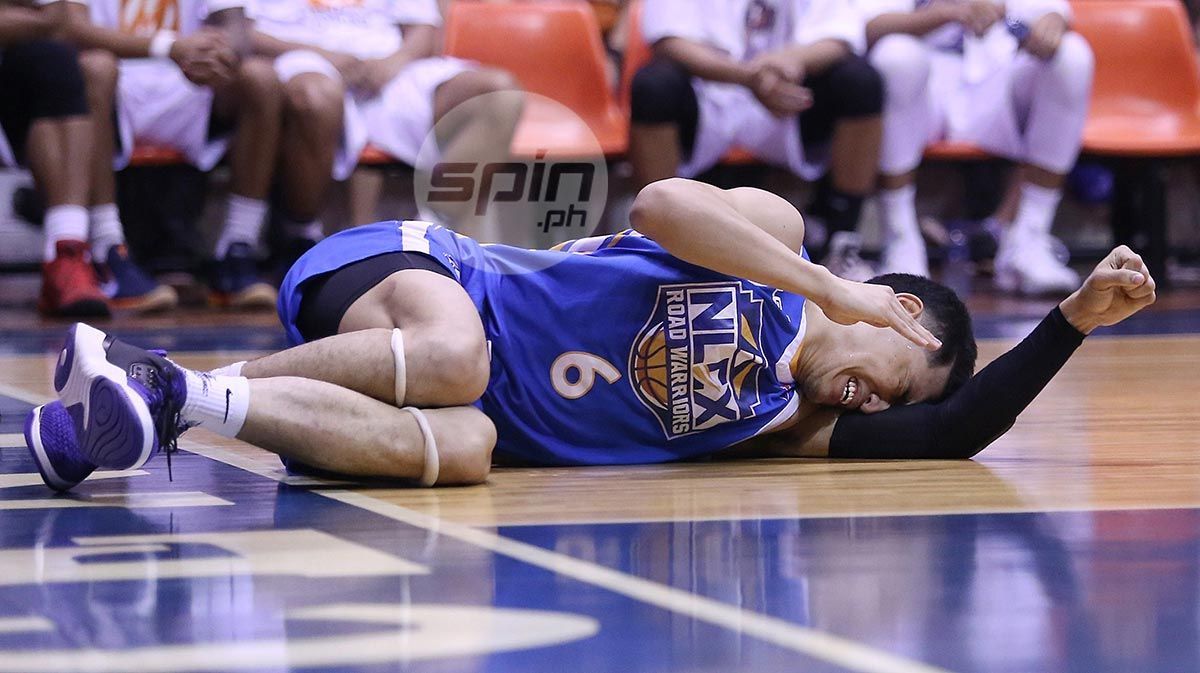
Usually prevalent among professional athletes since it's usually caused by pivoting or sudden stopping and often without direct contact, ACL injuries are now also common among weekend warriors and active men and women.
So how do you know if you've suffered an ACL injury?
Most pro athletes who suffer tendon damage during games usually recall hearing a loud 'pop' sound at the time of the injury. Doctors also consider pain and immediate swelling around the knee area as bad signs.
According to noted orthopedic surgeon Dr. Jose Raul Canlas, pain is a good gauge of knee ligament damage, although he added that there are cases of ACL injuries when pain would just be one isolated instance.
Another telling sign, Canlas added, is the feeling of instability on the knee.
"Pain would always be my gauge although in some isolated full tendon tears, pain would just be one isolated instance," said Canlas, a longtime member of the FIBA Medical Commission and chef de mission of the Philippine delegation in the last Southeast Games in Thailand in 2025.
"Another is the instability felt. Yung feeling na parang “bumibigay” ang knee," Canlas added. "Sometimes the [athlete's] hesitance to continue playing is actually a sign that the individual feels an instability but cannot recognize it."
So what to do if you feel like you've suffered an ACL injury?
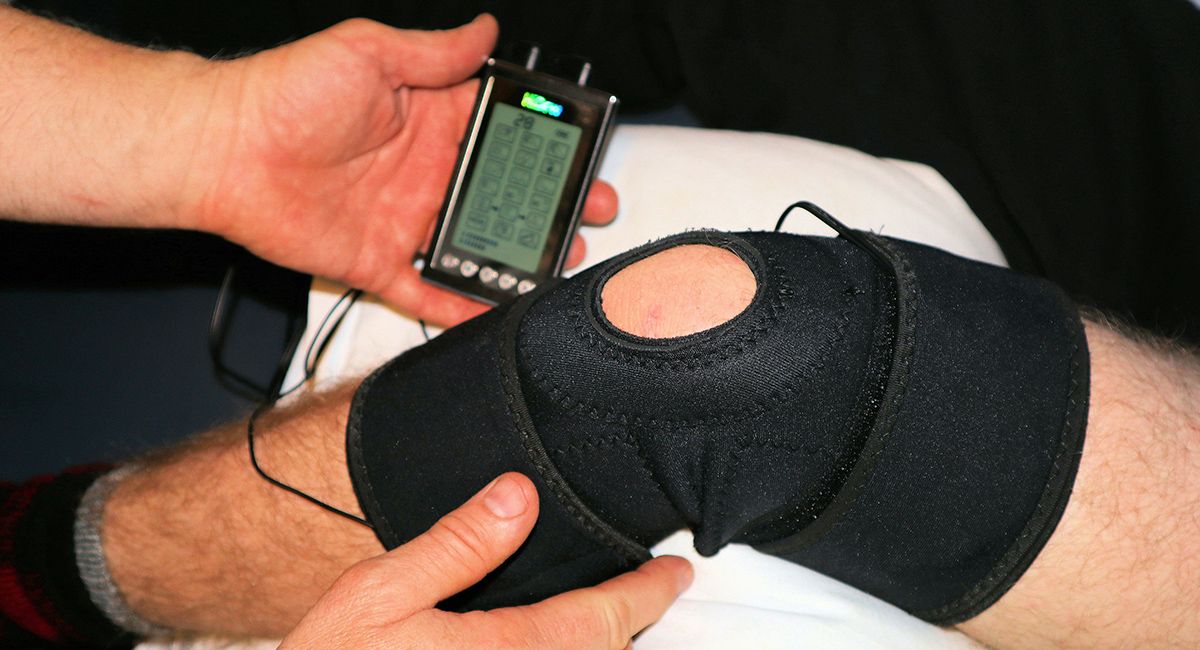
Canlas recommends the usual RICE (rest, ice, compression, and elevation). He says a knee immobilizer would help until the patient can see an orthopedic doctor or undergo an MRI (magnetic resonance imaging) exam.
"I personally do not do “prehab” or rehab exercises until I know what is wrong. I would not want to aggravate the injury," said Canlas, who is also head of the surfing national association and treasurer of the Philippine Olympic Committee (POC).
"Most injuries in my experience can be diagnosed with how the injury happened and a good physical examination. MRIs are a good adjunct test but for me it is just to confirm the injury," Canlas added.
And the treatment?
Treatment depends on the gravity of the ACL injury: There are cases of strains and partial tears where doctors recommend only therapy, but surgery is needed for a full tear.
"My treatment will be directed to the situation of the athlete and not necessarily on what is READ on the MRI," said Canlas, "sometimes the readings really do not have clinical significance."
Our No. 1 advice?
Get a good orthopedic doctor. Unlike decades ago, there are now a lot of doctors doing surgery on ACL tears. But there are also a lot of stories going around of athletes with ACL injuries regretting their decisions, primarily on their choice of doctor.
So go for the best.
Get more of the latest sports news & updates on SPIN.ph
NOTICE ON UNAUTHORIZED AND UNLAWFUL USE, PUBLICATION, AND/OR DISSEMINATION OF SPIN.PH CONTENT: Please be notified that any unauthorized and unlawful use, publication, and/or dissemination of Spin.ph’s content and/or materials is a direct violation of its legal and exclusive rights to the same, and shall be subject to appropriate legal action/s.
