

WHILE THE start of the 2022 Fifa World Cup had its share of controversies, the group stages were undoubtedly filled with excitement.
Some of the elite teams displayed their usual swagger as seen with the two finalists of the previous World Cup, Croatia and France. Both have showcased their tactical and technical prowess in the group stage.
Then, there are the underdogs who are shaking up the status quo. Morocco are showing signs of life with their up-and-coming roster featuring Achraf Hakimi and Hakim Ziyech. Japan, meanwhile, is playing the role of titan slayers, with victories over Germany and Spain.
What can we expect in the knockout stages? Well, part of the excitement stems from the clash of tactical ideologies between these teams. We run down our assessment of some of the squads entering the Group of 16.

Argentina
- Can be lethal on the transition with Lautaro Martinez, Julian Alvarez, and Angel Di Maria
- Forwards love to drop deep to support the build up
- Performs better in a 4-3-3 formation with Alvarez on the left
Argentina can utilize both possession or transition-based football with the amount of talent that they possess.
With elite level passers like Leandro Paredes and Lisandro Martinez, combined with the positional prowess from Papu Gomez and Lionel Messi, La Albiceleste has so many options to move the ball forward.
However, the biggest impact in their campaign came from Lionel Scaloni’s crucial tactical change, using the 4-3-3 with Julian Alvarez on the left.
Prior to his arrival, Argentina’s attacks have been directed on the central and right areas of the pitch as seen on their heatmaps, but Alvarez’ introduction balances the scales.
Brazil
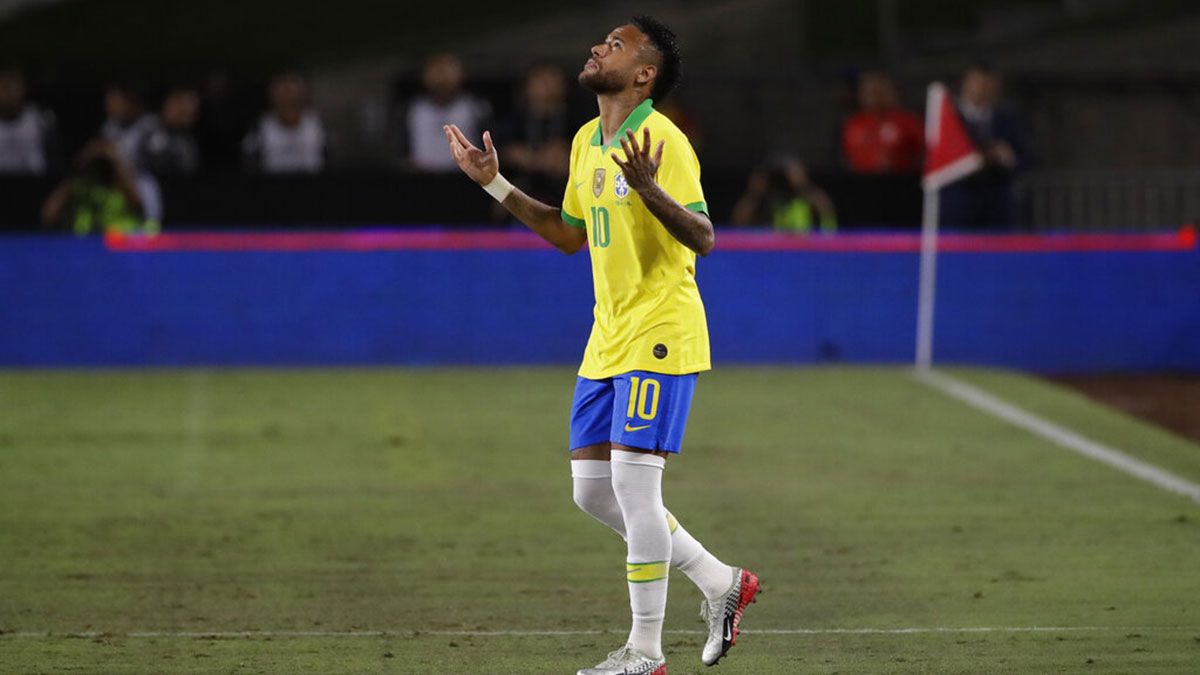
- Highly skilled individual talent
- Deadly in transitional play
- Very fluid in terms of attacking lineups
With speedy players like Vinicius Jr., Richarlison, Rodrygo, and some crafty players like Neymar Jr., Raphinha, and Antony, Brazil is full of young spark plugs who can erupt at any moment.
But besides their youthful vigor, Brazil’s fluidity is something that most teams need to watch for, as they have loads of players that can occupy each position. You have Fred and Casemiro in the double pivot spots; then Militao, Marquinhos, and Thiago Silva on the central defenses. On the attack? Loads of talent.
This is definitely one of the most exciting teams to watch given their offense, backed by an extremely rigid defense featuring Casemiro, Fred, Alex Sandro, and Eder Militao, allowing their forwards to go all out. One issue to note stems from their build-up as Fred is known to be vulnerable on the press.
Croatia
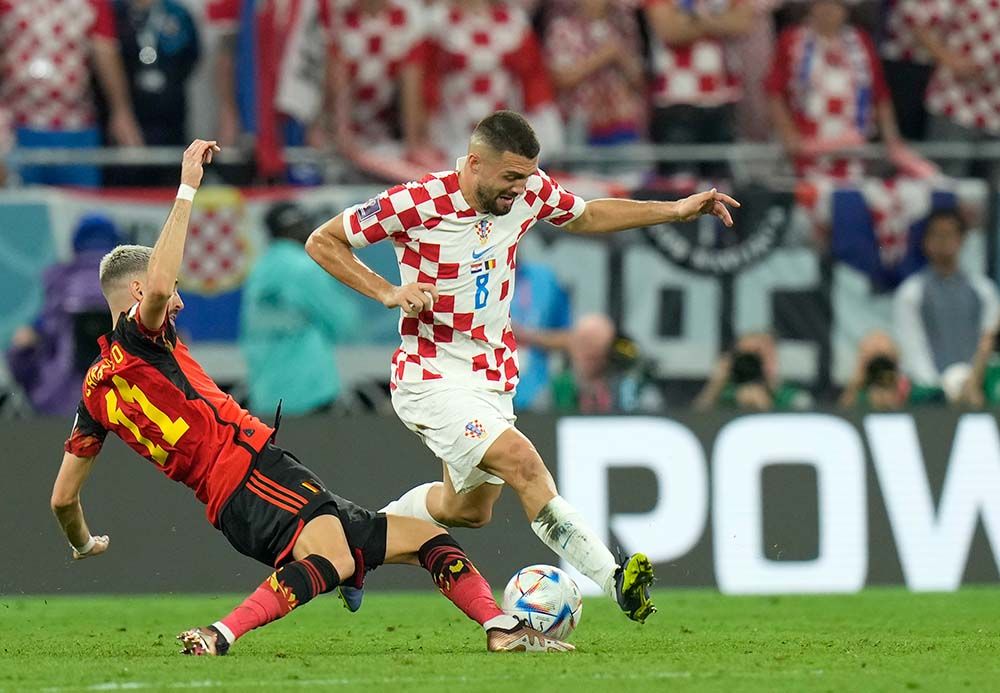
- Extremely technical midfielders
- Dangerous when their build-up and possession play gains momentum
- Difficult to press
Croatia’s technical masterclass, on display in the 2018 World Cup, has once again been at full display in 2022, as the midfield trident of Mateo Kovacic, Marcelo Brozovic, and Luka Modric have been moving the ball in all cylinders with perfection.
Their movement with and without the ball has been a key catalyst in the group stages and they could further bring it to the next level against their next opponents, Japan, who have shown a tendency to concede possession.
And while the Blue Samurai has proven to be scary without the ball, Croatia is frightening when they dominate possession. They’re also press-resistant, adding to their threat level.
England
- Utilizes the flanks with the use of their fullbacks and wingers
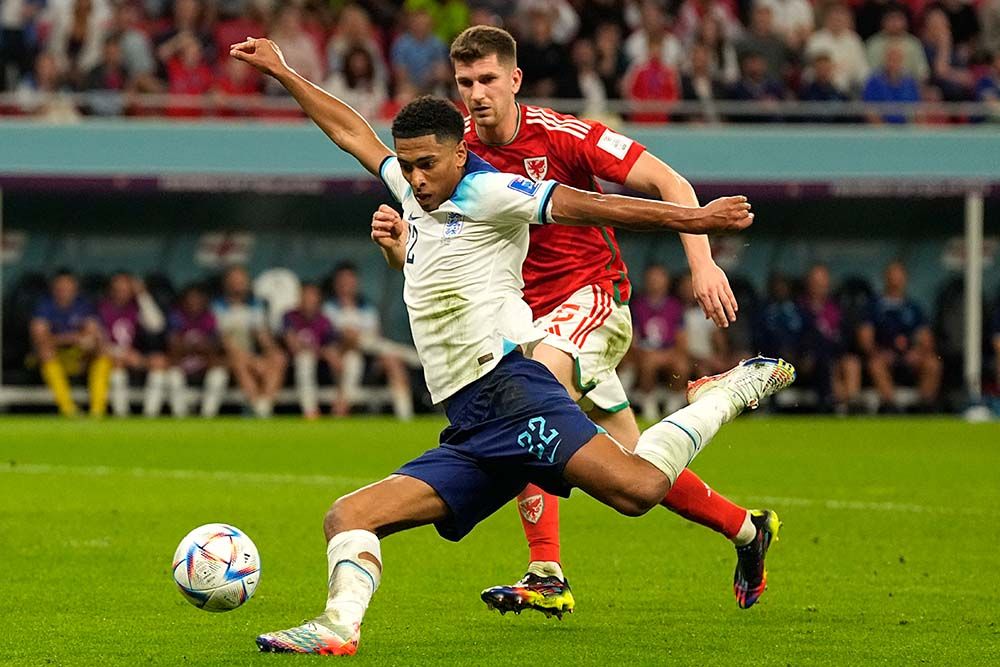
- Relies on Bellingham’s movement around the pitch
- Features a playmaking forward (Harry Kane)
While many would criticize Gareth Southgate for his laborious and grindy way of scoring goals, the addition of Jude Bellingham has eased the burden for the Three Lions.
Bellingham loves to drift from the deep midfield areas to the flanks or the advance central positions, giving England more passing angles.
Complementing his Craftiness are the positioning of their fullbacks as Luke Shaw, Kieran Trippier, and Kyle Walker are capable of providing width, with the latter two occupying the central areas when needed.
Then there’s Harry Kane, who isn’t the quickest among the English forwards, but he can serve as an additional playmaker for the likes of Marcus Rashford and Raheem Sterling.
France
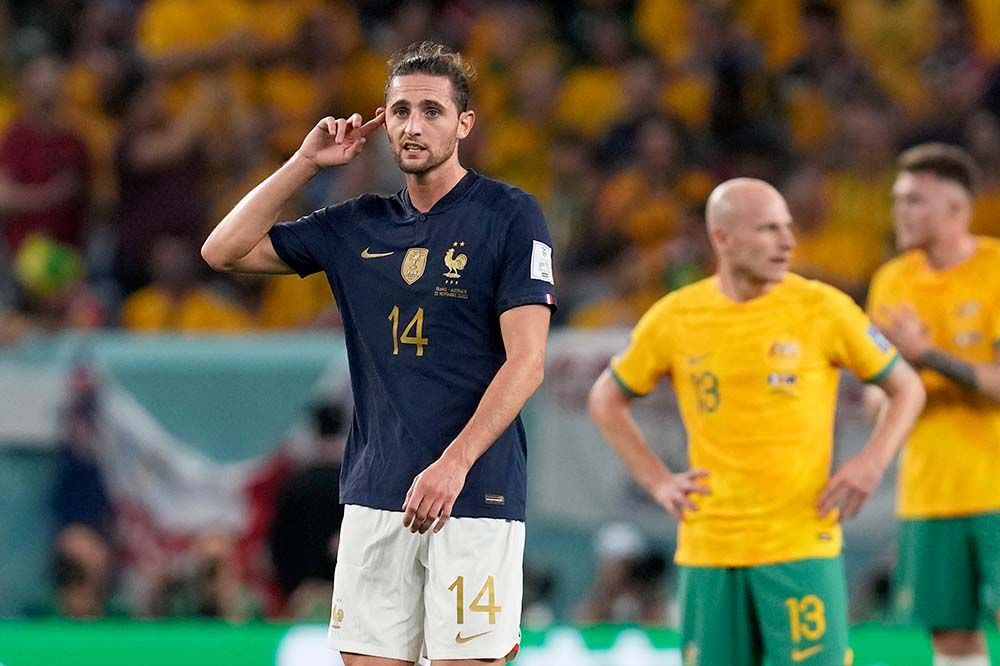
- Energetic midfielders (Tchouameni, Camavinga, Rabiot)
- Features an extremely versatile attacking lineup
With key players like Paul Pogba, Karim Benzema, and N’Golo Kante suffering from injuries, one may expect France to be nerfed. But the group stages proved that Les Bleus is still a strong contender.
Two box-to-box midfielders in Eduardo Camavinga and Adrien Rabiot, and a disruptor in Aurelien Tchouameni were the sparkplug they needed in the midfield areas.
And while they’ll be missing Benzema’s all-around skillset upfront, their attack remains a lethal force given their balance.
Antoine Griezmann’s movements around the pitch and his playmaking skills have complimented Kylian Mbappe and Ousmane Dembele’s pace. And in case Les Blues needs a poacher in the box, Olivier Giroud could deliver the finishing touches with his aerial presence.
Heck, he can even use his holdup play and drop deep to attract a defender, giving space for their speedy wide players to run.
Japan
- Willing to concede possession
- Makes crucial 2nd-half tactical adjustments
- Lethal in transition
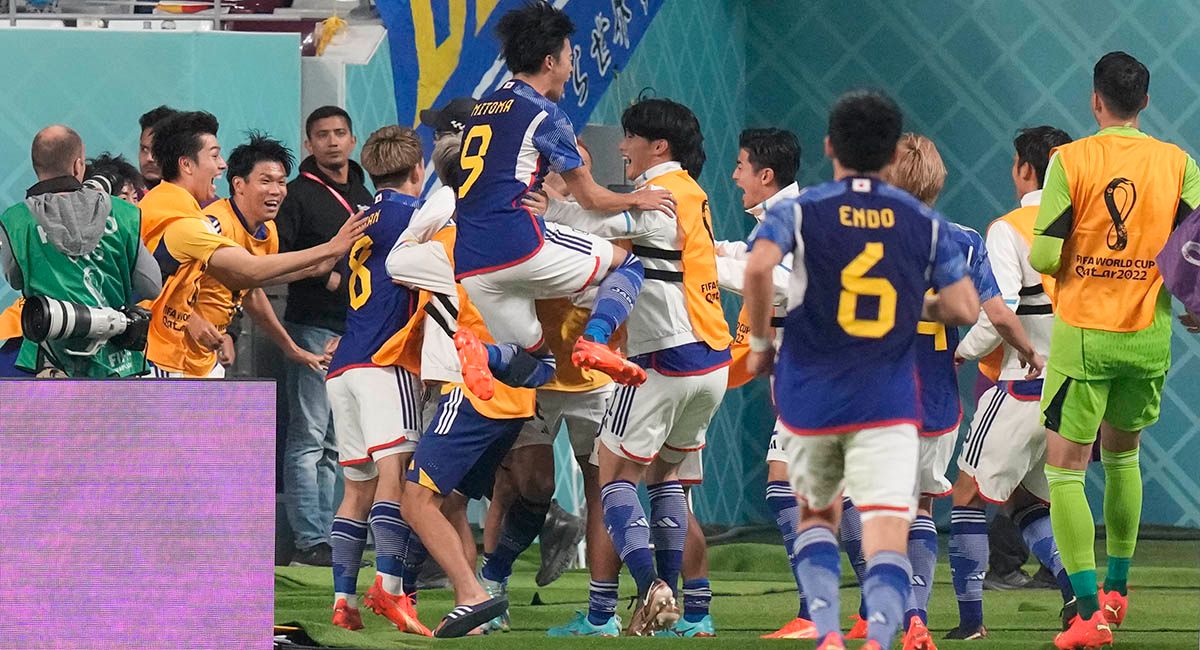
For Japan to defeat two notable powerhouses in Germany and Spain is a testament to Hajime Moriyasu’s tactical brilliance. Against two world class managers in Hans-Dieter Flick and Luis Enrique, Moriyasu proved that his team is no pushover even with the limited possession.
Against Germany, Japan only garnered 26 percent possession, and it even plummeted to 17 percent against Spain. But the lack of opportunities with the ball didn’t hinder the Blue Samurai.
A single switch to a 3-4-3 and the decision to bring out Karou Mitoma was the added offensive boost they needed.
While this has been the narrative for their immaculate wins, this may also make them look predictable, unless Moriyasu has a hidden trump card for the knockout stages.
Netherlands
- Features an all-around forward (Gakpo)
- Sluggish in possession
- Can be overly reliant on Gakpo
While the Netherlands boasts talent like Virgil van Dijk, Frenkie de Jong, Memphis Depay, there seems to be a lack of assurance from the team. Are Louis van Gaal’s outdated methodologies to blame?
Their possession lacks creativity, making them predictable. Senegal could’ve actually beaten them with their pressing game, while Ecuador tactically outclassed them by overloading the central areas and utilizing their wingbacks.
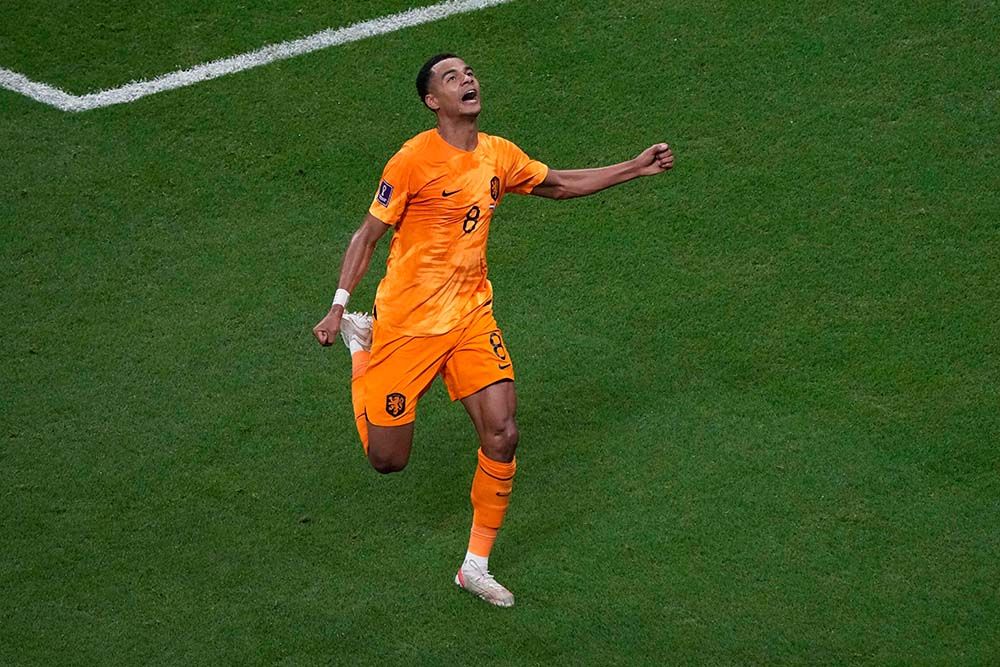
So far, however, the team manages to grind their way to victory thanks to the heroics of Cody Gakpo. But the Oranje should know that his performances alone wouldn’t be enough once the Netherlands faces elite level competition.
Portugal
- Sluggish build-up play
- Dangerous inside the penalty area
- Questionable footballing identity
Similar to the Netherlands, Portugal’s possession and build-up is also questionable, even if the team boasts a lot of creative talent. This could be caused by Fernando Santos’ counterproductive defensive system.
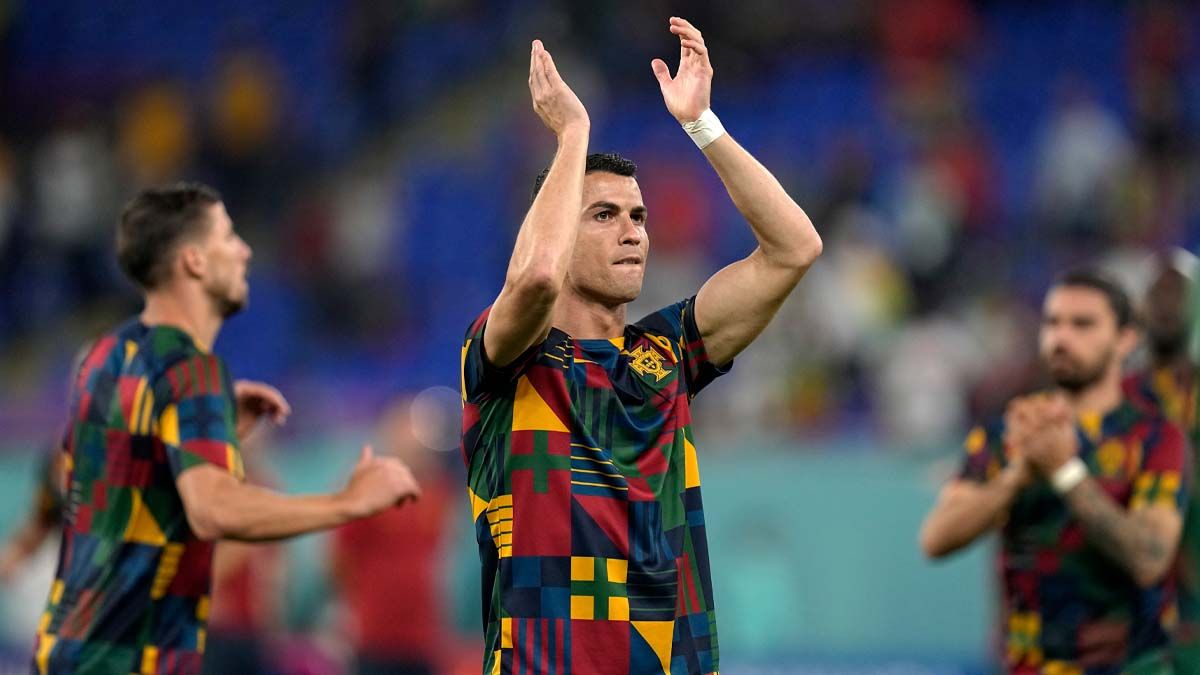
While there have been some signs of improvement (see: their 2-0 against Uruguay), the team still lacks the coup de grace finish, which is ironic, given that Cristiano Ronaldo is in their roster (he is known to unpredictably position himself inside the penalty area), as well as some clinical playmakers like Bruno Fernandes.
It’s unsure how Portugal will fare in the knockout stages given the rift in gameplan and personnel. Is this team really built to play in transition? Can they finally unleash their hidden creativity? We’ll just have to see.
Spain
- Alternates between a false nine (Marco Asensio) and a traditional centre-forward (Alvaro Morata)
- Utilizes Tiki-Taka in the 4-3-3 formation
- Fluid passing options
It seems the 2010 Tiki-Taka days of Spain have returned, as the team finally found the perfect chemistry that was missing in the 2014 and 2018 World Cup.
With Diego Costa gone, Spain can now fully utilize their signature short, patient, and precise build-up that they once displayed.
While Spain looks exciting to watch, there is still a dilemma that Enrique needs to answer: which players will deliver the best results?
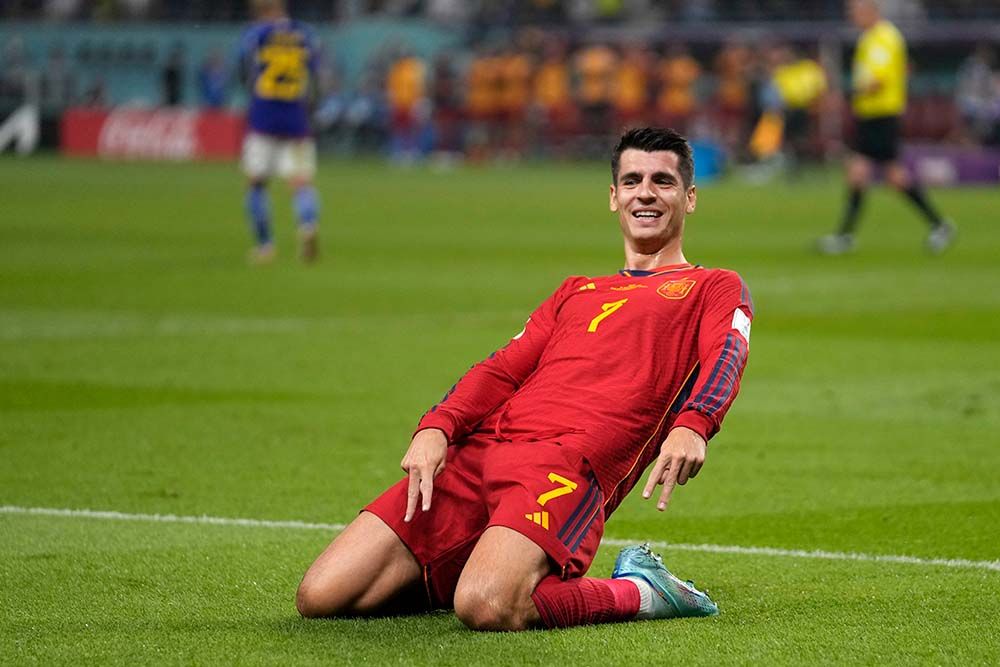
In defense, Enrique alternates between Laporte, Rodri, and Pau Torres, offering varying results. Then in offense, there’s the question on who should lead the line. So far, Morata has proven to be the best option up front, but the other members like Marco Asensio and Ferran Torres could be a coin toss.
Get more of the latest sports news & updates on SPIN.ph
NOTICE ON UNAUTHORIZED AND UNLAWFUL USE, PUBLICATION, AND/OR DISSEMINATION OF SPIN.PH CONTENT: Please be notified that any unauthorized and unlawful use, publication, and/or dissemination of Spin.ph’s content and/or materials is a direct violation of its legal and exclusive rights to the same, and shall be subject to appropriate legal action/s.
