WHEN skateboarding, surfing, and sports climbing were announced as new sports for the 32nd Olympiad in Tokyo 2020, it was a quest that was decades in the making.
All three were included with the hope of nurturing newer, younger audiences in the Olympics — a tactic that may have already worked in Tokyo this year, as Margielyn Didal's infectious cheerfulness and the surprising youth of the Gen Z skate medalists went viral across the world.
Meanwhile, in Paris 2024, breaking — which perhaps is better known as breakdancing —will make a medal appearance. Last week, cheerleading and the International Cheer Union were recognized by the International Olympic Committee (IOC)... perhaps the first step for cheer to appear in the Summer Games.
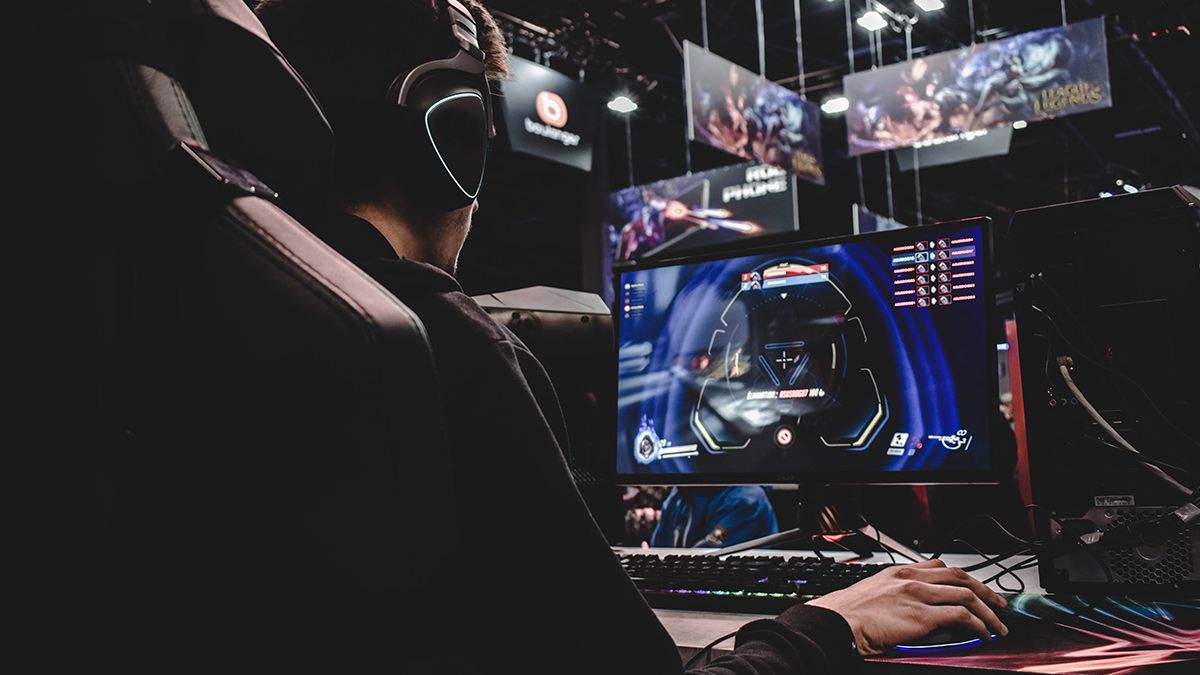
But what about esports?
There's no denying that esports is a commercial and viewership juggernaut. According to Newzoo, in 2021, this sport is expected to earn $1 billion in revenue, despite only gaining fame in the 2010s. Its global awareness was expected to reach 2 billion last year, and viewership is hitting 577.2 million people globally.
This new sport has already caught the attention of the IOC, and has even created a liaison group to better understand, and hopefully include it, in future editions of the Games.
But will it?
Esports and the IOC
There is no doubt that esports has gotten much mainstream attention in the last couple of years.
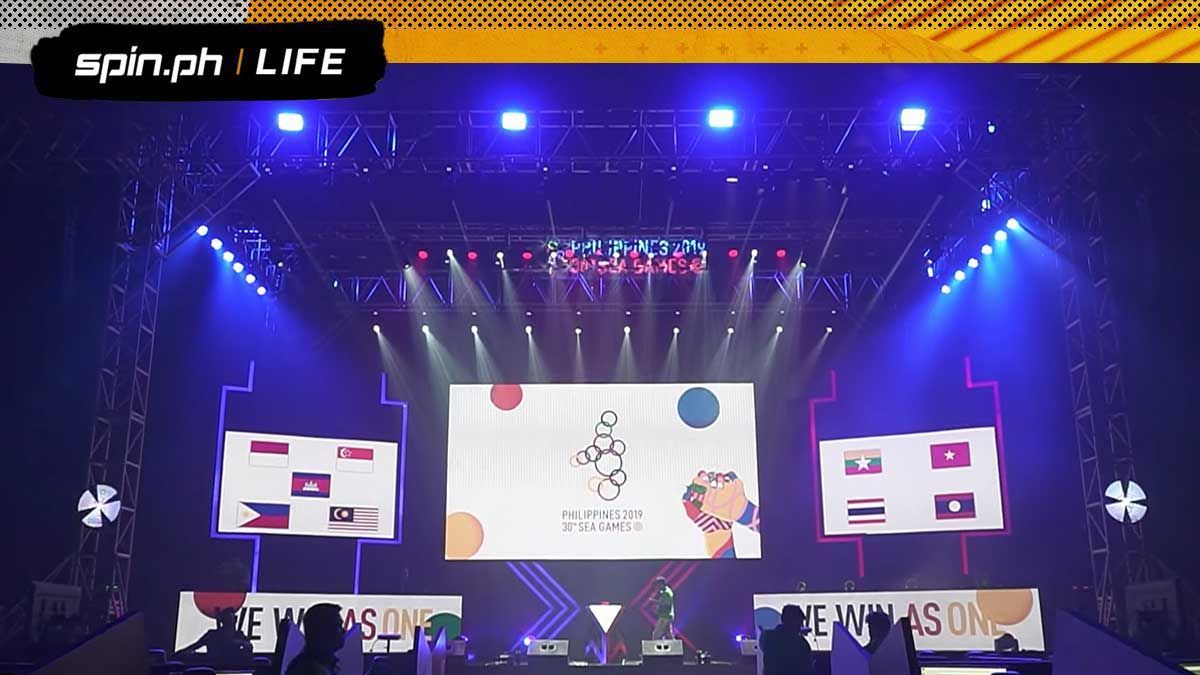
In terms of athletic recognition, it could be said that the Philippines and Southeast Asia are ahead of the curve. Locally, esports pros are governed and recognized by the Gaming and Amusements Board as pro athletes. Plus, of course, it is a medal event in both the 2019 and the postponed 2021 SEA Games. (Compare that to Sweden's refusal to recognize Dota 2's The International as an elite sporting event and grant it pandemic exceptions, forcing a relocation to Bucharest for its 2021 edition.)
The pandemic has thrown esports into even more stark relief, as it has remained strong, continuously holding events and world championships even during the long sporting lull.
It's this seemingly unbreakable spirit (and the money and audience) that has sparked the IOC’s interest in esports. Or at least, a version of it. In their Olympic Agenda 2020+5 roadmap released last year, the IOC has noted gaming has increased in users and revenue during the COVID-19 pandemic. It also hopes to help existing International Federations develop their very own virtual sports, or sport simulation games.
But talks about bringing esports or a form of it (sports sims) had already started way back in 2018 in the IOC hometown of Laussane, Switzerland. The IOC and the Global Association of International Sports Federation (GAISF) held an esports forum to bridge the gap between esports and the IOC.
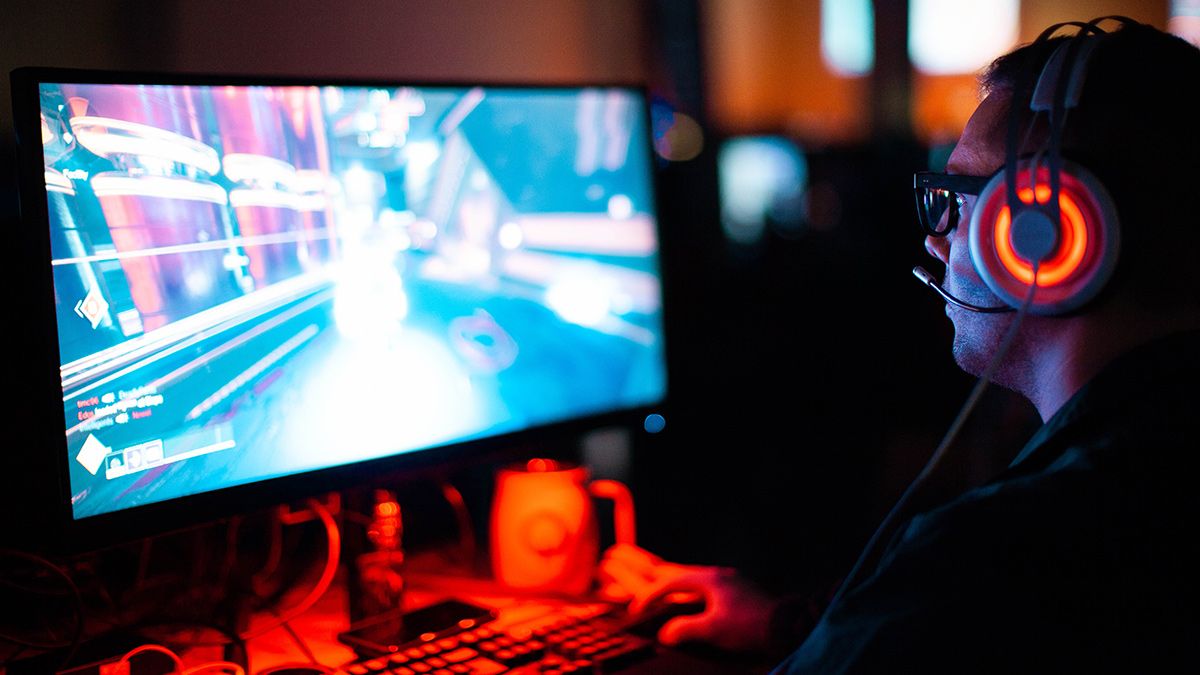
The event featured prominent esports pros, industry leaders, developers, esports advocates, and of course the IOC and other international sporting federations. That forum in Switzerland established the IOC-Esports and Gaming Liaison Group (ELG), tasked to look into how esports and competitive gaming can be included in future Olympic games.
Just last April, the IOC took its biggest step into esports when they launched the Olympic Virtual Series (OVS), an Olympic-sanctioned virtual sports event. The event was done online, and included titles such as Gran Turismo, Virtual Regatta, eBaseball Powerful Pro Baseball 2020, Zwift (for cycling and rowing).
Will esports be part of the Olympics?
The Olympic Agenda 2020+5 notes that they want to encourage gamers of virtual sports to eventually become athletes of the actual sport. but the OVS is a sign that these games may inch towards an appearance as soon as Los Angeles 2028.
It is clear to see why the IOC is favorable to titles like Virtual Regatta or eBaseball Powerful Pro. They are very much recognizably digital versions of existing Olympic sports. Their inclusion can also be seamless, included it as an adjunct in an already recognized sport, rather than a completely new sport and discipline in the games.
As for other titles, it’s still an uphill battle.
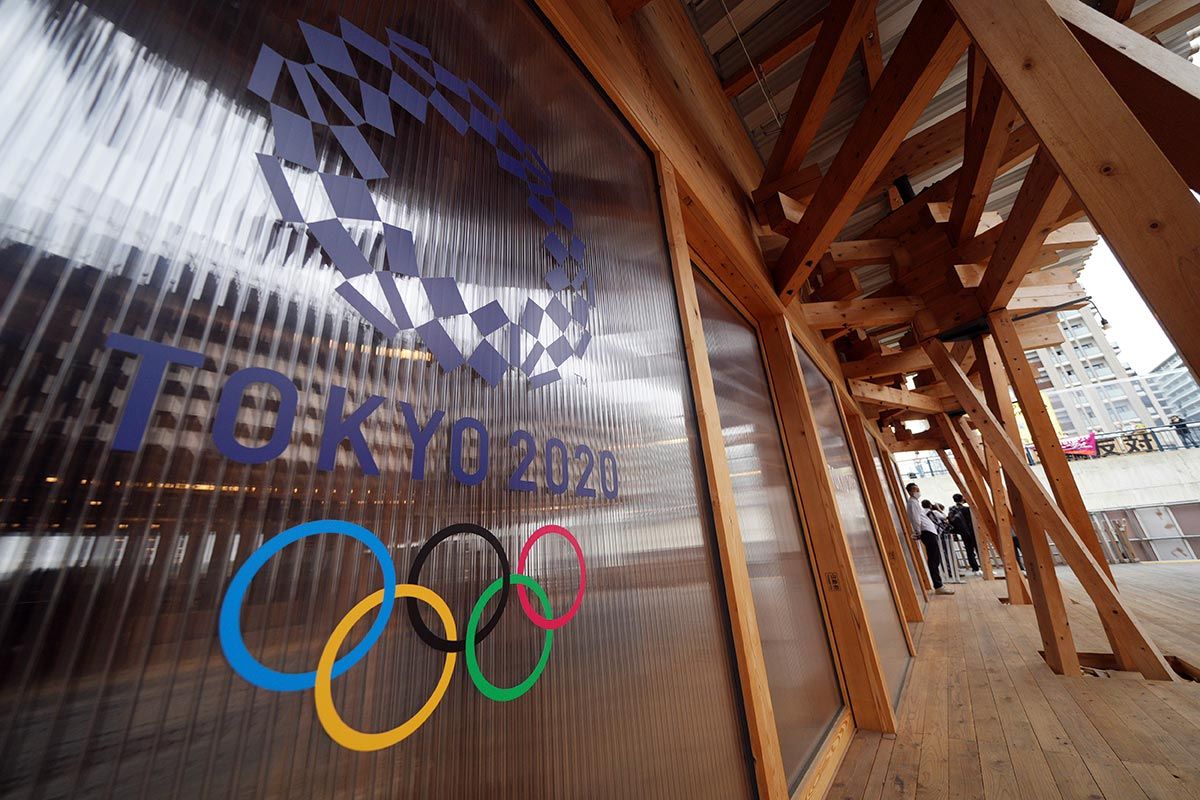
In 2019, IOC President Thomas Bach made his stance clear that the committee will not work with games that promote violence and are against the Olympic charter.
“We have a clear red line that we do not want to deal with any game which is contrary to the Olympic values. Any game where violence is glorified or accepted, where you have any kind of discrimination they have nothing to do with the Olympic values," Bach has reportedly said.
Popular shooters would most likely fall under this category.
But games like MOBAs (Dota 2, League of Legends), and fighting games (minus Mortal Kombat for obvious gory reasons) can still fall within a gray area. MOBAs are among the biggest esports titles globally, while fighting games, especially the likes of Tekken and Street Fighter, could make the argument that they are inspired by actual martial arts. Even RTSs like StarCraft II may still have a chance; they were played back in 2018 during IEM PyeongChang, an ESL event with support from the IOC.
Asia paving the way?
There’s another argument for esports to be included in the Olympics: its inclusion in the SEA Games and Asian Games. A demonstration event in the last Asiad, and a fully fledged medal event in the SEA Games, esports has garnered support from 27 National Olympic Committees in the Olympic Council of Asia to fully include it as a medal event in the 2022 Hangzhou Games.

It was also unanimously voted in as a new sport by the council’s 44 member states just last year.
Despite this, esports still has a colossal hurdle to face: Recognition from the IOC. This means getting through the gatekeepers of the Olympics, as well as not a few bureaucratic leaps, just to be recognized as a sport. There’s also the question of which International Sports Federation (IF) will be be recognized, whether it's the newly formed, Tencent-backed Global Esports Federation, or the slightly older International Esports Federation, which was formed back in 2008.
Last year, the IOC-ELG released a statement saying that they are not working with any IFs for esports. It was a move that raised suspicions. Was the IOC giving up on esports? This prompted the Committee to clarify its statement, noting that they were against existing IFs joining any esports IF. It appeared to be a targeted statement towards the GEF, that quickly garnered support from existing IFs (no thanks to the Global Esports Federation's backer).
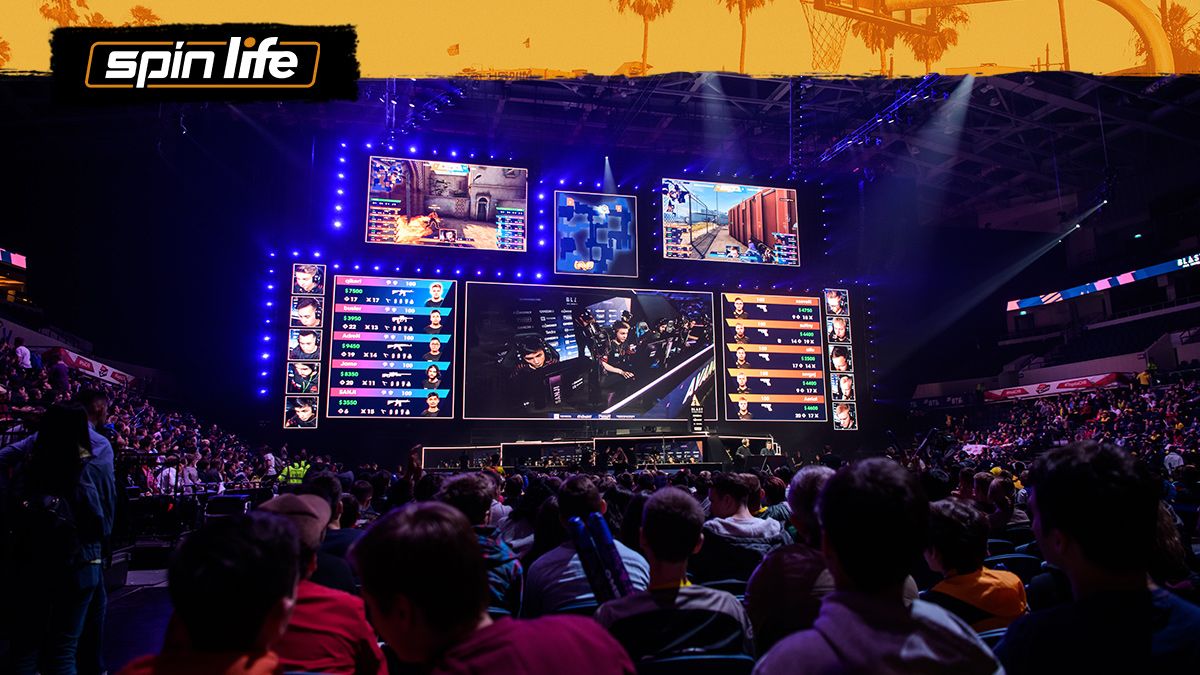
Ultimately, the question of how esports can be part of the Olympics will most likely come down to a question of mutual benefit.
Do the Olympics need esports, and does esports need the Olympics? As it stands, both can gain a lot from one another. But at the same time, both can continue without the other.
But perhaps one day, a union between the two will give esports athletes a chance to fly their country’s flag.
Will the Philippines be a country to reckon with if esports gets the Olympic nod?
One final, important question remains to be asked. If the Olympics does include esports in its games, are we assured of a medal finish?
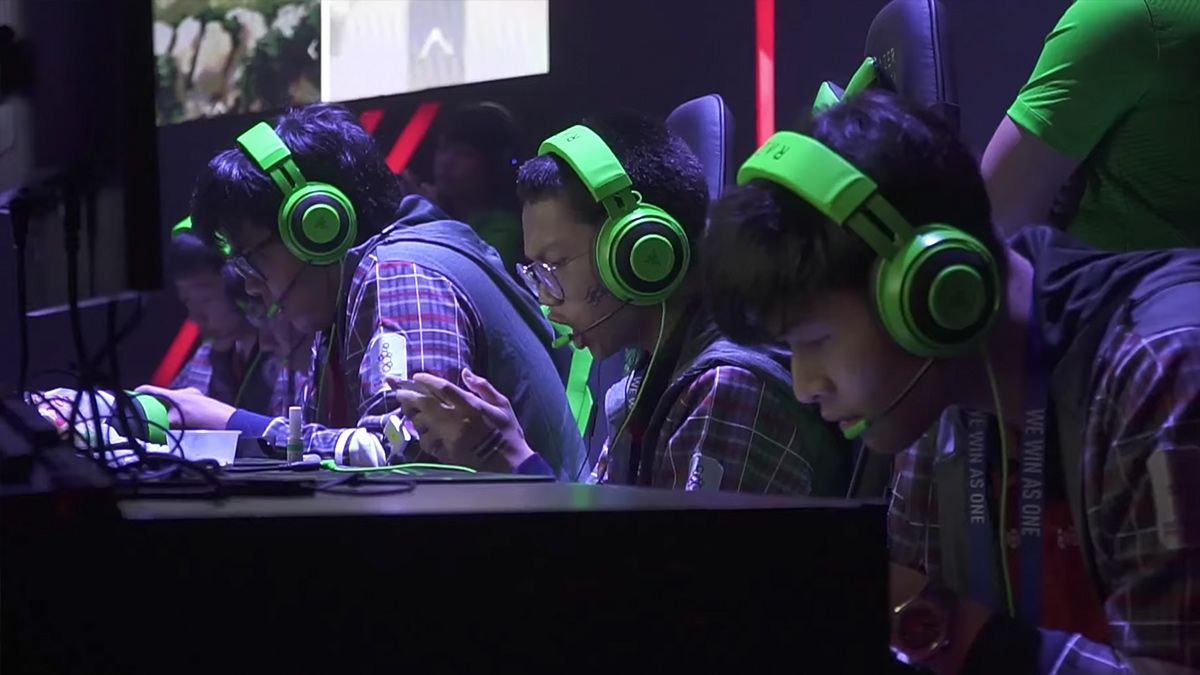
It depends. Esports, as many of you know, isn’t a single discipline. Sure, we racked up five medals in six events in the last SEA Games, but the games were among the Pinoy favorites: Dota 2, Mobile Legends, even StarCraft II. But come Vietnam 2021, a new set of games are replacing Pinoy favorites, perhaps putting our esports prowess to an even sharper test.
Esports are as varied as regular sports, with countries having their strengths and weaknesses. It’s up to our NSAs to find and train the next generation of superstars if we truly want to haul some hardware.
Get more of the latest sports news & updates on SPIN.ph
NOTICE ON UNAUTHORIZED AND UNLAWFUL USE, PUBLICATION, AND/OR DISSEMINATION OF SPIN.PH CONTENT: Please be notified that any unauthorized and unlawful use, publication, and/or dissemination of Spin.ph’s content and/or materials is a direct violation of its legal and exclusive rights to the same, and shall be subject to appropriate legal action/s.