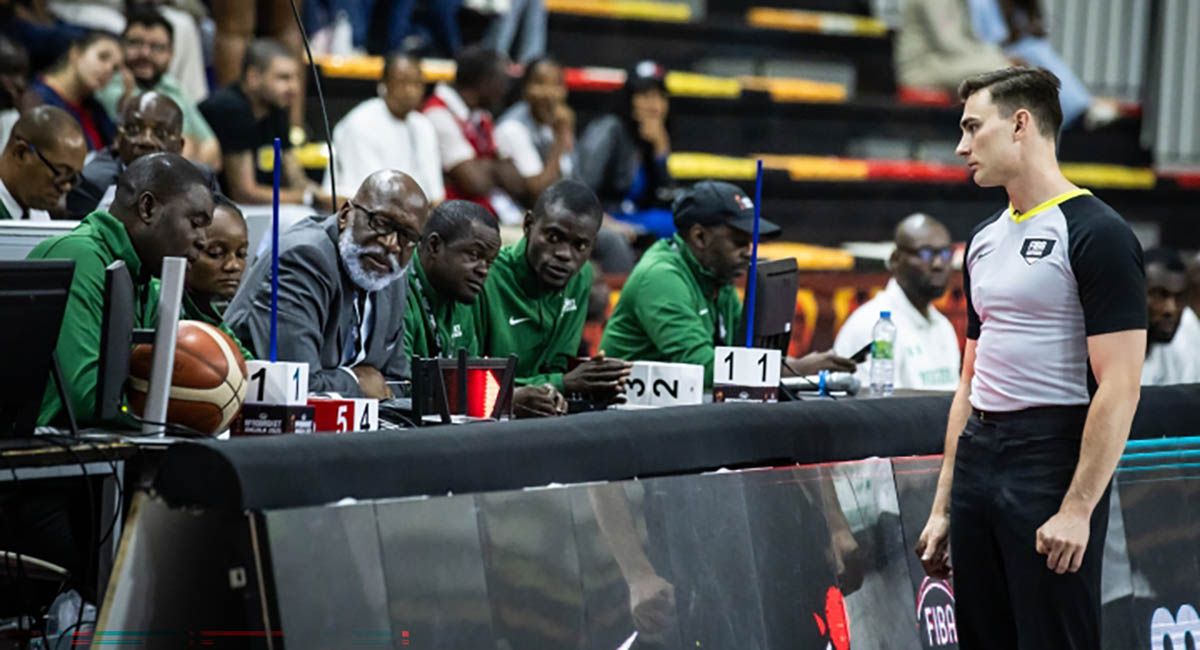
THE UAAP's justification regarding the pay gap between those officiating the men's and women's games in the same league appears to be contrary to FIBA rules which allow equal pay, so long as the competition is on the same level.
In the Olympics, for instance, referees for the men's and women's tournaments get the same pay and there is no gap whether an official works the men's or women's game.
On the other hand, the UAAP has established a salary scale for its officials, with referees in the men's game receiving about 30 percent more than those working the women's tournament. The disparity has provoked a backlash among athletes, women's rights advocates and some journalists who argued that the pay gap diminishes respect for women in general and women athletes in particular.
READ Referees call foul on pay gap between men's, women's games
Worse, the gap widened this season after the UAAP cut pay for those calling the women's and girls games - from P2,500 last season to P2,000 this year.
Referrees for the men's tournament, on the other hand, got an increase: from P2,500 to P3,000 per game.
Though there's no question that the referee's fees in the UAAP is competitive, in fact, better than most leagues in the country, many felt that changing the prior setup - which paid P2,500 per game across the board regardless of the division - was a step back especially for a league that prides itself to being a beacon of equality.
UNFAIR: UAAP referees' pay gap sparks online debate
This is specially painful for the officials who believe that the UAAP has been earning tons of money from television rights and other sources yet could not provide equal pay for its referees.
That's why it's understandable that the women's basketball community felt slighted by this move, with the league seemingly incentivizing the referees assigned to the men's games while the women's matches are considered simply as a stepping stone for future designation to the men's tournaments.
While FIBA provides the highest compensation for its premier events, the pay for referees gradually lowers depending on the weight of the tournament.
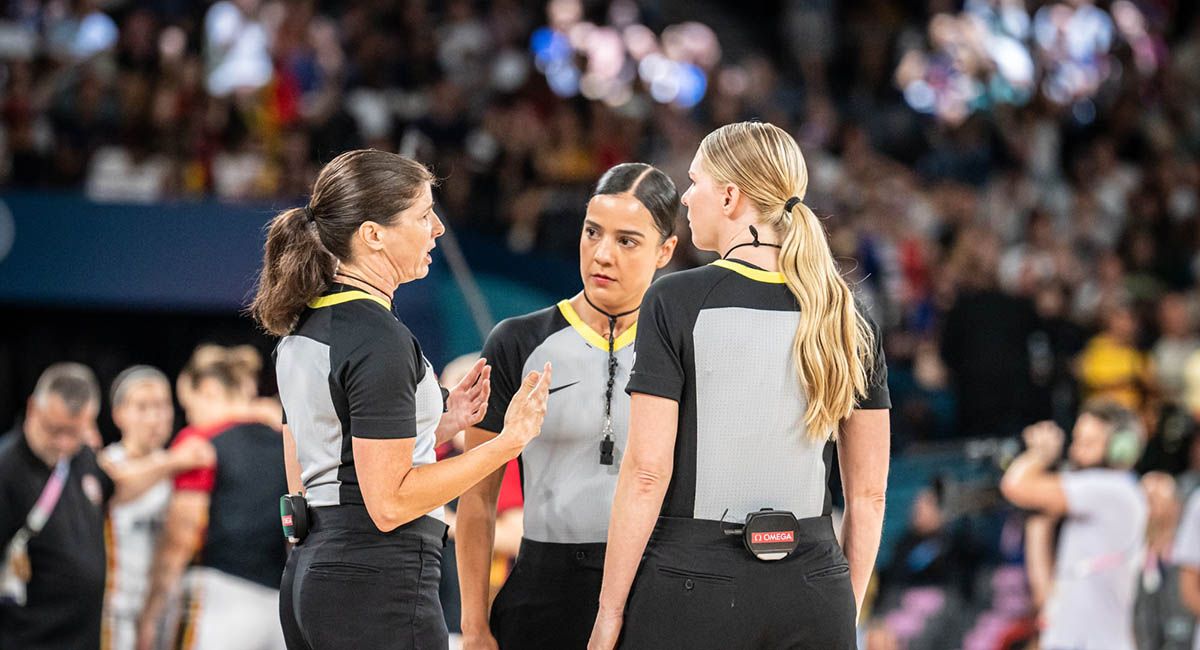
Sources shared gaps when it comes to the payment of these FIBA-licensed referees, with the highest pay given to officials assigned to the Olympics and the World Cup, and then adjusted accordingly for the continental championships, sub-zonal competitions, the qualifiers, the pre-qualifiers, and friendlies, as well as in the juniors and youth levels.
The referees' compensation is the same, though, for games in the same level, meaning those referees selected to officiate the men's Olympic games are the same as those picked for the women's Olympic matches; those chosen to officiate World Cup games are paid the same as those refereeing the Women's World Cup games; so on and so forth.
"The budget is the same no matter if it's men's or women's. The only difference is the level of tournament they're officiating," the source said.
FIBA licenses all international referees and a tier system for officials whose licenses are renewed or awarded in a two-year cycle.
Black licenses that are issued to both male and female officials mean they are eligible to officiate international games of all senior and junior levels; green licenses are for female referees who can call international games in all senior men games at sub-regional level, all senior women games, all junior games, and all friendlies; and white license holders for both male and female can referee in all junior level games at regional level, all senior and junior level games at sub-regional level, and all friendlies.
Insiders in the Samahang Basketbol ng Pilipinas (SBP) said that the country's seven international referees (IR), namely Aaron Canete, Jhon Lester Celeste, Glenn Cornelio, Manuel Felix Jr., Joenard Garcia, Ralph Moreto, and the lone female IR Janine Nicandro, are all black license holders until the end of the next cycle on Aug. 31, 2027.
READ: UAAP explains pay gap on referees working men's, women's tournaments
These officials were endorsed by the national federation to FIBA and went through the Game Official Licensing (GOL) process which saw them successfully pass a written test, a fitness test, a medical examination, and other tests determined by Fiba.
These tiers, based on merits and officiating performance, only determine the level of Fiba-sanctioned competition they're eligible to referee and not the pay they're worth.
So it means that black, green, and white license holders may be called up to officiate the Fiba U18 Asia Cup but will all be paid the same, and it’s going to be the same if they’re also selected to referee the Fiba U18 Women’s Asia Cup.
Get more of the latest sports news & updates on SPIN.ph
NOTICE ON UNAUTHORIZED AND UNLAWFUL USE, PUBLICATION, AND/OR DISSEMINATION OF SPIN.PH CONTENT: Please be notified that any unauthorized and unlawful use, publication, and/or dissemination of Spin.ph’s content and/or materials is a direct violation of its legal and exclusive rights to the same, and shall be subject to appropriate legal action/s.
