"WHERE am I?"
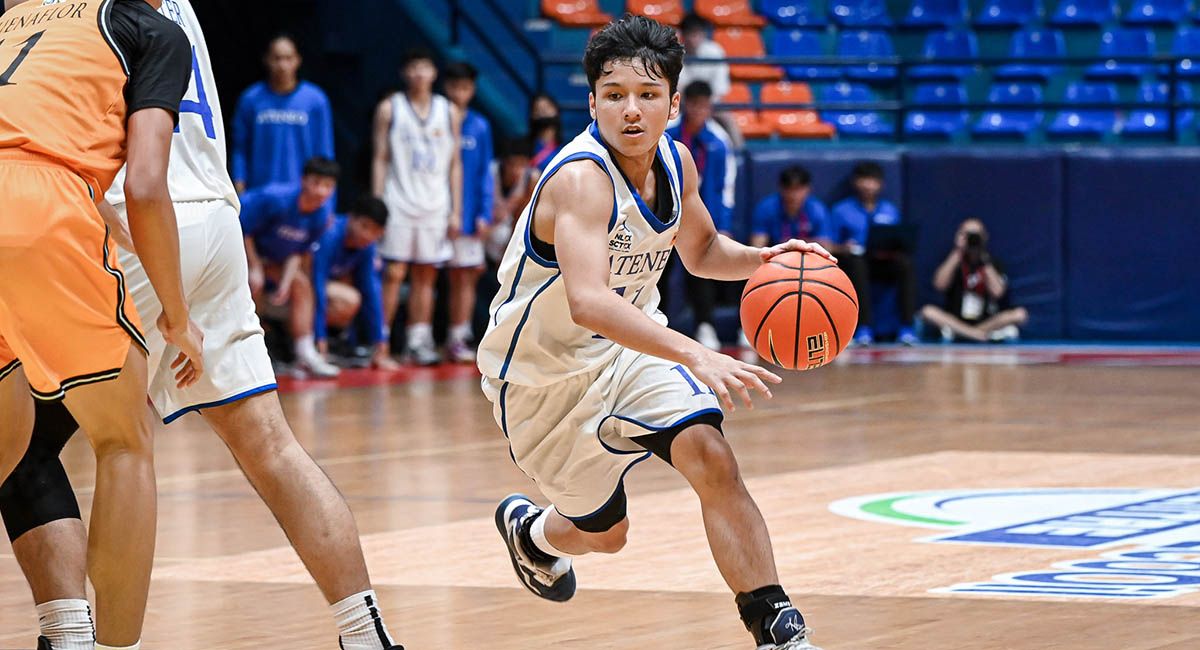
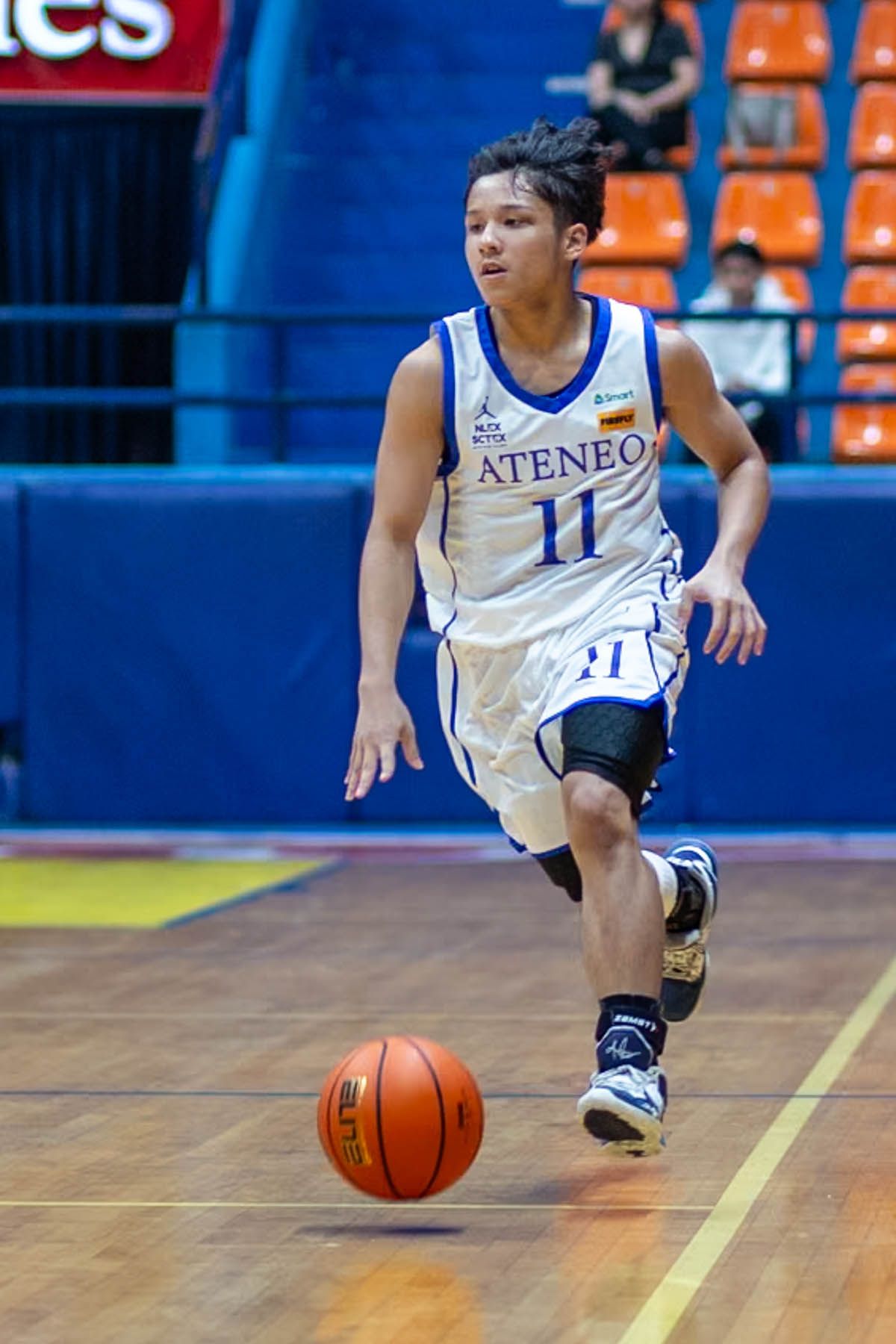
For Chris Urbina, co-captain of Ateneo’s senior boys basketball team, this question now carries a profound weight. It’s no longer a fleeting thought but a reflection of survival and resilience — etched into his story not only by victories on the court but by a near-tragedy that reshaped his perspective.
Urbina, fearless on the court, faced an ordeal that tested his limits in ways no basketball game ever could. In a preseason tournament for UAAP Season 86, he stepped up to draw a charge — a move he has learned to master throughout his career. This time, however, the routine act turned into something far more harrowing. The opponent’s knee struck his chest with force and as Chris hit the ground, clutching his ribs, he assumed he’d fished yet another offensive foul.
Urbina health scare
But this wasn’t just another foul. Struggling to catch his breath, Chris’ world spiraled into darkness.
When he regained consciousness, surrounded by anxious teammates and medical personnel, his first words reflected his competitive spirit: "Did I get the offensive foul?" What he didn’t realize immediately was that he had just experienced a seizure — a terrifying event that left everyone in the gym stunned and silent.
What followed was a whirlwind of uncertainty that involved exhaustive hospital tests running late into the night, to the emotional arrival of his father from Iloilo.
Fortunately, the tests revealed no lasting damage, allowing Chris to return to the game he loves. But the experience left an indelible mark on him — and on everyone who witnessed it. It underscored a stark reality: the precariousness of player safety and the urgent need for better medical preparedness in sports venues across the Philippines.
Chris’ story has since evolved into a rallying cry for improvement. His ordeal shines a spotlight on the critical role of trained medical personnel, such as Emergency Medical Technicians (EMTs) and athletic trainers, at sports events.
These professionals provide more than just a safety net; they are the first line of defense in emergencies, capable of handling everything from concussions to fractures to life-threatening cardiac events. Their presence isn’t a luxury — it’s a lifeline.
Equally important is the availability of life-saving equipment like Automated External Defibrillators (AEDs) in every sports venue. Sudden cardiac arrests, though rare, can strike without warning, and in the adrenaline-charged world of competitive sports, the risks are magnified.
AEDs, operated by trained staff, can restore a heart’s rhythm in seconds, bridging the gap between a critical incident and emergency care. For athletes like Urbina, who knows first-hand how fragile those moments can be, such preparedness is non-negotiable.
READ Guiao looks forward to generations of lifesavers as Samboy Lim bill lapses into law
As UAAP Season 87 begins on Sunday, Chris remains a crucial part of the team. Yet, his fearless approach on the court is a double-edged sword — an emblem of his dedication but also a reminder of the inherent dangers of the game.
This experience has transformed Chris into a vocal advocate for improved safety standards in sports. "Where am I?" is no longer just a question of disorientation for him. It’s a rallying cry to live in the moment, appreciate life’s fragility, and call for better conditions for athletes across the country.
Get more of the latest sports news & updates on SPIN.ph
NOTICE ON UNAUTHORIZED AND UNLAWFUL USE, PUBLICATION, AND/OR DISSEMINATION OF SPIN.PH CONTENT: Please be notified that any unauthorized and unlawful use, publication, and/or dissemination of Spin.ph’s content and/or materials is a direct violation of its legal and exclusive rights to the same, and shall be subject to appropriate legal action/s.
