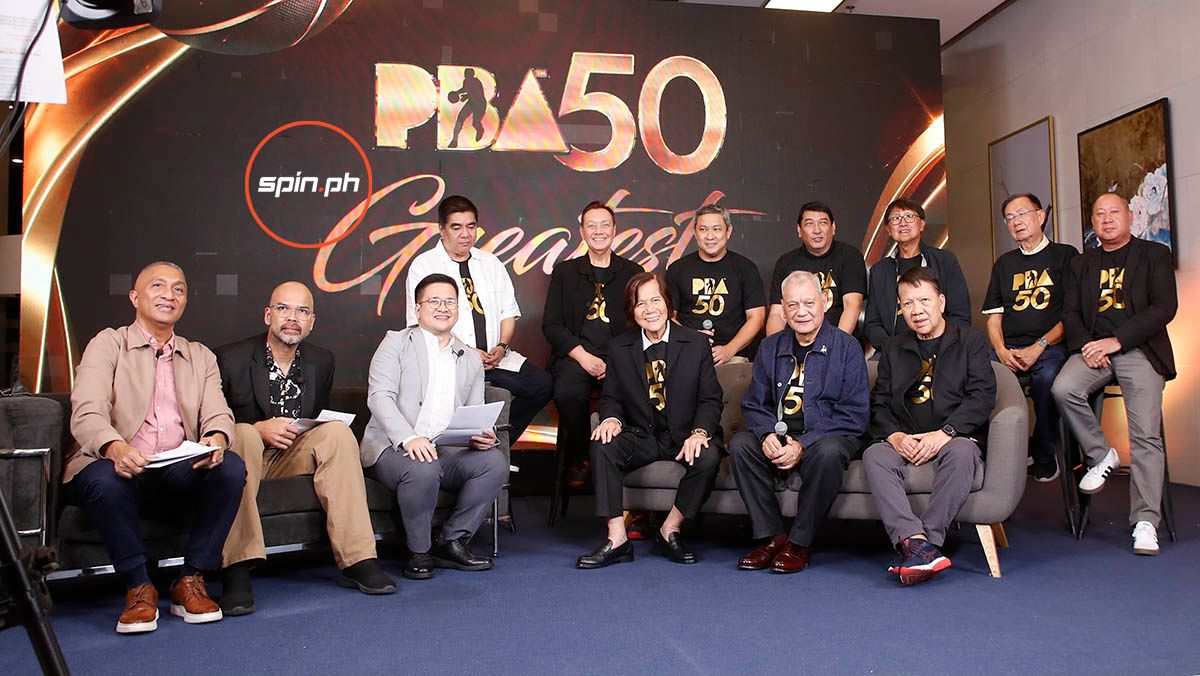

WHEN a call came from PBA commissioner Willie Marcial asking if I would join a selection committee tasked to pick the 10 Greatest PBA Players for the league’s 50th anniversary, one thought ruled it over the rest: This was an opportunity of a lifetime.
Past thoughts of “why me?” and other hesitations that flashed before me, I ended with that. The commissioner had dropped words about my “expertise and experience,” which did remind me that I’ve been a journalist since 1973, and 30 of those years were spent covering sports.
I thought also: When will the next 10 Greatest Players arise? I’m guessing, not in my lifetime. This is it.
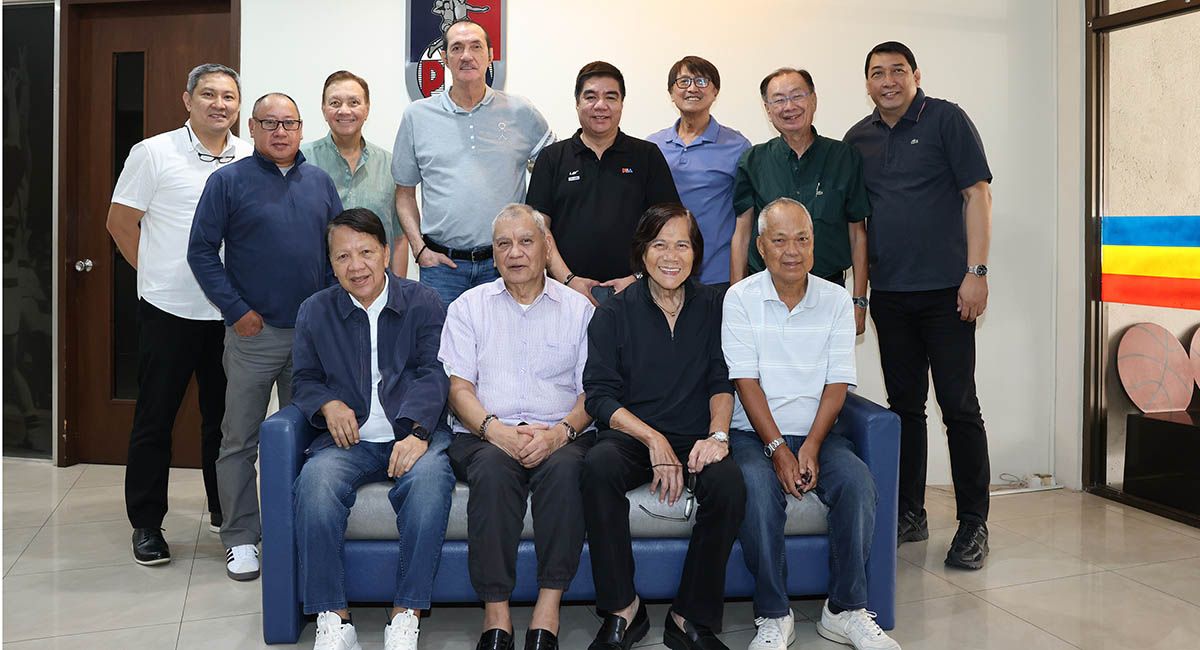
I may not pass as a PBA groupie, but my work has kept me very aware of league business. I was there when it was born in 1975, when the announcement sparked industry excitement and spurred an increase in game attendance. And, until my retirement some years ago, I continued to chronicle the league’s ups and downs as sports editor of the Manila Bulletin.
So, those years of “experience and expertise” have come to this.
READ Asaytono, King, Tuadles part of PBA 50 Greatest Players at last
The job of the selection committee — which includes nine others deemed “experts” by the commissioner — was to complete the 50 Greatest List, with 40 of them previously named in two batches.
The first: 25 Greatest Players on the PBA’s 25th year, in 2000; the second: 15 Greatest Players on the PBA’s 40th anniversary, in 2015.
When our group met, we agreed right off the bat to put some order in the proceedings by electing the chair. A move that proved quite easy because in the committee was Renauld “Sonny” Barrios. If anyone could chair a committee made up of former basketball stars, renowned broadcasters, a legendary coach, and veteran sports journalists, Barrios would be it.
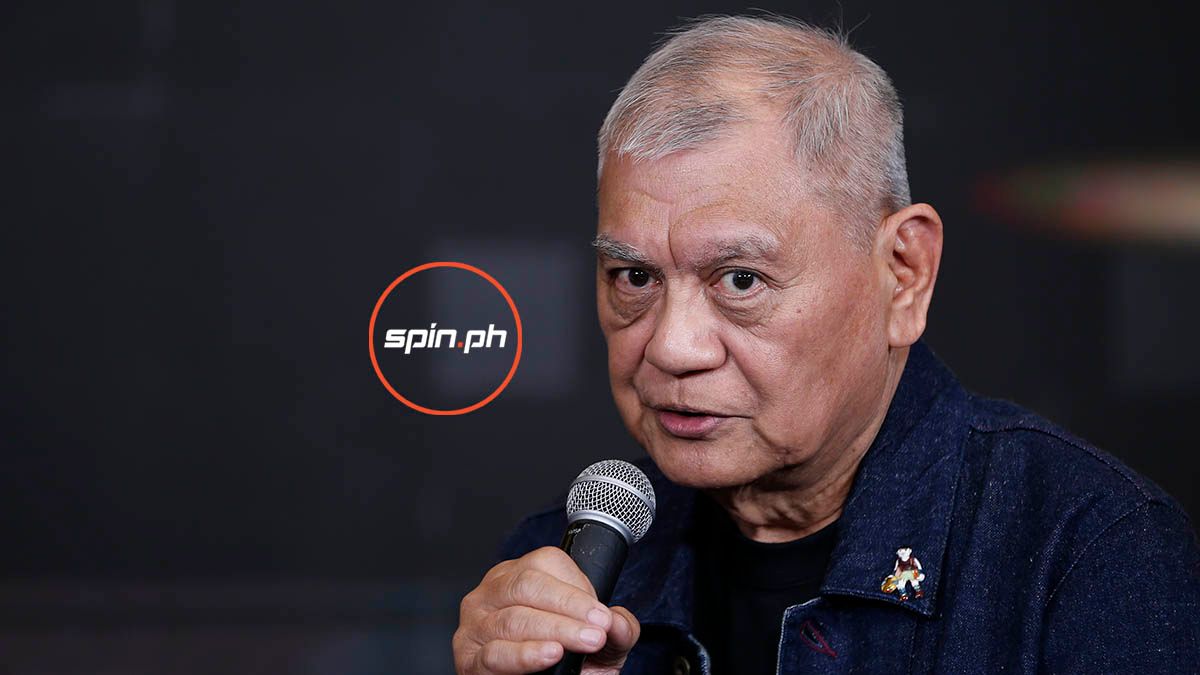
Barrios is the respected — and, equally important, amiable — former PBA commissioner whose adroit handling of tricky issues on his watch saw the league progressing smoothly and maintaining its standing as the country’s number one sports attraction.
Barrios, who for 12 years was also executive director of the Samahang Basketbol ng Pilipinas (SBP), always had a knack for explaining complex matters in understandable terms, which now proved handy in running a body with nine independent and, sometimes loud and impassioned, voices.
As chair, he opted to abstain from voting, choosing to come in only in the case of a tie. Although a tie was not expected, there being an odd number in the members left, the balance could change should there be abstentions.
In all, the committee met three times, running roughly three hours each, and its selection process is apparently the most thorough of all three batches. So said Quinito Henson, a PBA announcer and Philippine Star columnist, who was a member of our committee and also a member of the committees that selected the first 25 and the next 15.
Commissioner Marcial sat in on all deliberations but had no participation in the voting. His job was to lay the groundwork for the committee and to explain how he personally chose its 10 members.
He did say that he hoped this batch of 10 Greatest Players would gain wide public approval, but admitted in the end, “You can’t please everyone.”
He also admitted that the PBA’s two previous lists, both the 25 Greatest and 15 Greatest, triggered intense debates, with PBA fans expressing disappointment over names of players left out.
“If possible,” Marcial said to the committee, “let us avoid people saying that we made the wrong choices. Let us deliberate, study the merits of each player and, ultimately, be able to defend our decision.”
Committee sets parameters
As the process began, the committee was given this parameter: Only those playing between 1975 and 1995 were to be included in the 10 Greatest Players.
Also, he must have played at least four full seasons and must have done a major impact on the sport and the league.
Many of the best players from this period had already been included in the Top 40, but there were still rich pickings and, in actual deliberations, proved to be a tough list to complete. A deeper, more conscientious, and statistically strong study would be needed to come up with the 10 Greatest.
We went about setting guidelines. One such guideline was the “automatic inclusion” of a player with a season MVP award, which was also the same guideline used in selecting the previous batches.
It was here that a big debate ensued involving June Mar Fajardo and Scottie Thompson.
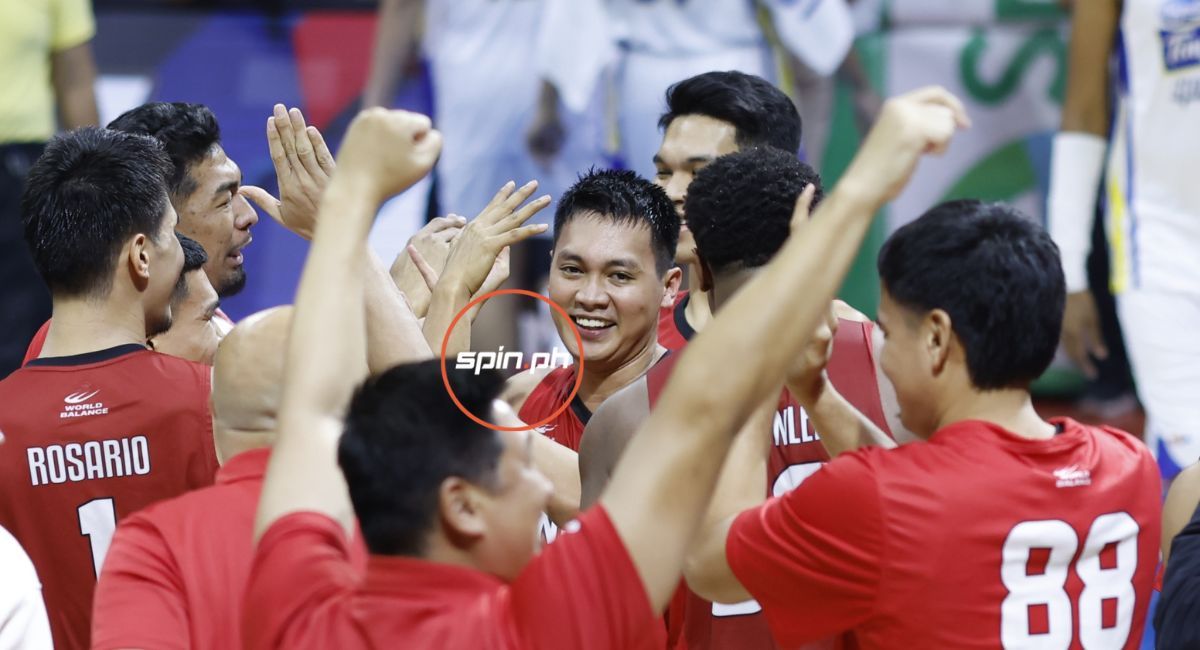
Barangay Giinebra's Scottie Thompson has one MVP award and, therefore, belongs to that elite roster of the Most Valuable Player picked at the end of every season running a long nine months.
Fajardo has eight MVP awards to his name! This is double the number of MVPs garnered by two other greats, Mon Fernandez and Alvin Patrimonio, with four each.
Both Fajardo and Thompson are San Miguel stalwarts and remain active in the PBA. The question arose: When will these two be recognized? The Greatest are normally named after at least 10 years; with the first 25, the league took 25 years before they were named.
Note that the parameter given the committee earlier was that the playing period must be between 1975 to 1995. But wouldn’t including Fajardo and Thompson work to make the 10 Greatest list more current? There is no way the two could be excluded from any 10 Greatest list now or in the future, in any case. And, since 1995 to 2025, they are the only two MVP awardees.
In the end, the vote was unanimous: Junemar and Scottie will be among the 10 Greatest Players. No more deliberations, this was automatic. This left the committee picking just eight more players.
'Not easy getting there'
Like I said, it was not easy getting there.
Committee members were given two weeks to make their individual lists of at least 10. Some nominated more. They dug up PBA records, compared them, analyzed lower and greater value.
Another point raised was whether a player’s private life would be a factor in the voting. The majority decision: That was no man’s land. The committee would stay focused on a player’s life on the basketball court.
If a player had not won an MVP, his stats became the focus of scrutiny. These included championships won, career points, rebounds, and assists, as well as other tangibles like selection to a mythical first team or a second team, All-Star inclusions, and awards for best player in a conference. (Three conferences make up a season.) A player’s overall impact, consistency as ball player, and his popularity were also considered.
When the dust settled, the committee could rightly say that the PBA’s last 10 Greatest Players, out of its 50 Greatest, were all outstanding ranged beside the stringent measurements employed.
Next came the actual votes. This would ultimately determine who would make it to the Top 10. I must say, after each member submitted his list, an excitement bordering on tension could be felt in the PBA office where committee meetings were held. After all, while objective measures had been employed, no one could discount the possibility of personal favorites seeping in.
According to guidelines, the top eight voted in — remember that June Mar and Scottie were made automatic entries — would make it to the 10.
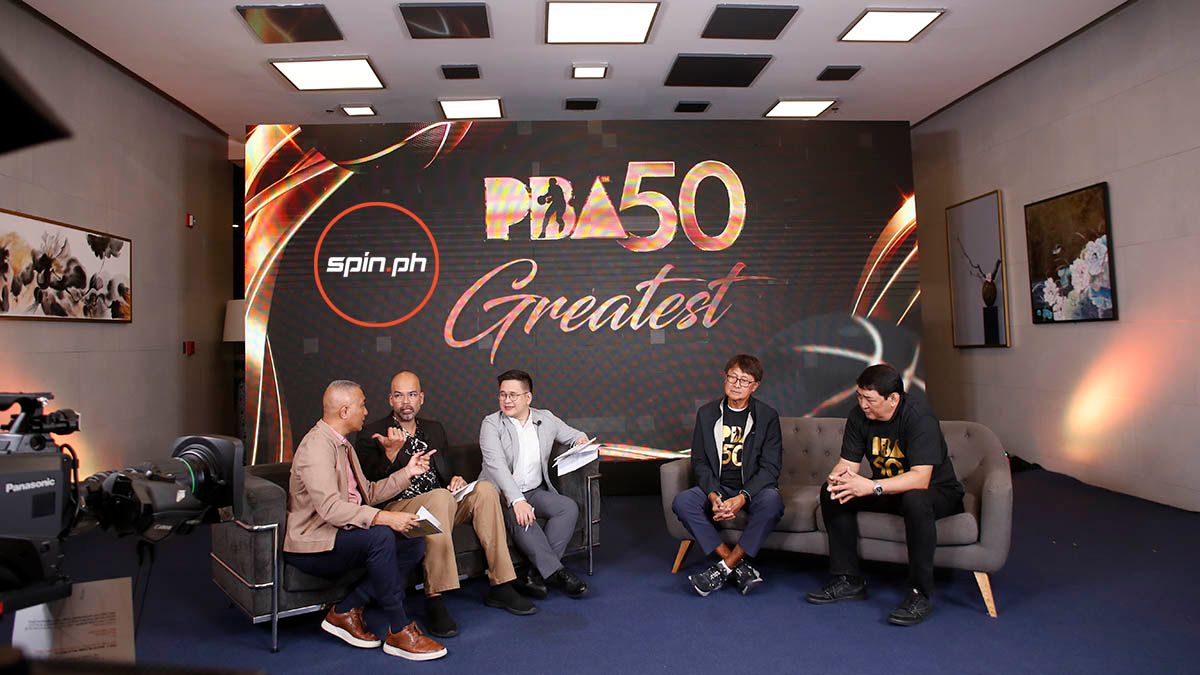
In all, 32 players were nominated.
After the votes were counted, the following made the list, going from No. 1 to No. 8:
1 Abe King. 2 Nelson Asaytono. 3 Jeffrey Cariaso. 4 Rene “Bong” Hawkins. 5 Arnie Tuadles. Danny Seigle, Manny Victorino, and Elpidio Villamin ended up tied for the sixth to eighth positions.
For the record, the 10 members of the selection committee are: Sonny Barrios; former PBA players Ramon Fernandez, Atoy Co, and Allan Caidic; broadcast journalists Quinito Henson and Andy Jao; former Toyota head coach Dante Silverio; Philippine Star sports editor Nelson Beltran, former Philippine Daily Inquirer sports editor Al Mendoza, and myself.
Get more of the latest sports news & updates on SPIN.ph
NOTICE ON UNAUTHORIZED AND UNLAWFUL USE, PUBLICATION, AND/OR DISSEMINATION OF SPIN.PH CONTENT: Please be notified that any unauthorized and unlawful use, publication, and/or dissemination of Spin.ph’s content and/or materials is a direct violation of its legal and exclusive rights to the same, and shall be subject to appropriate legal action/s.
